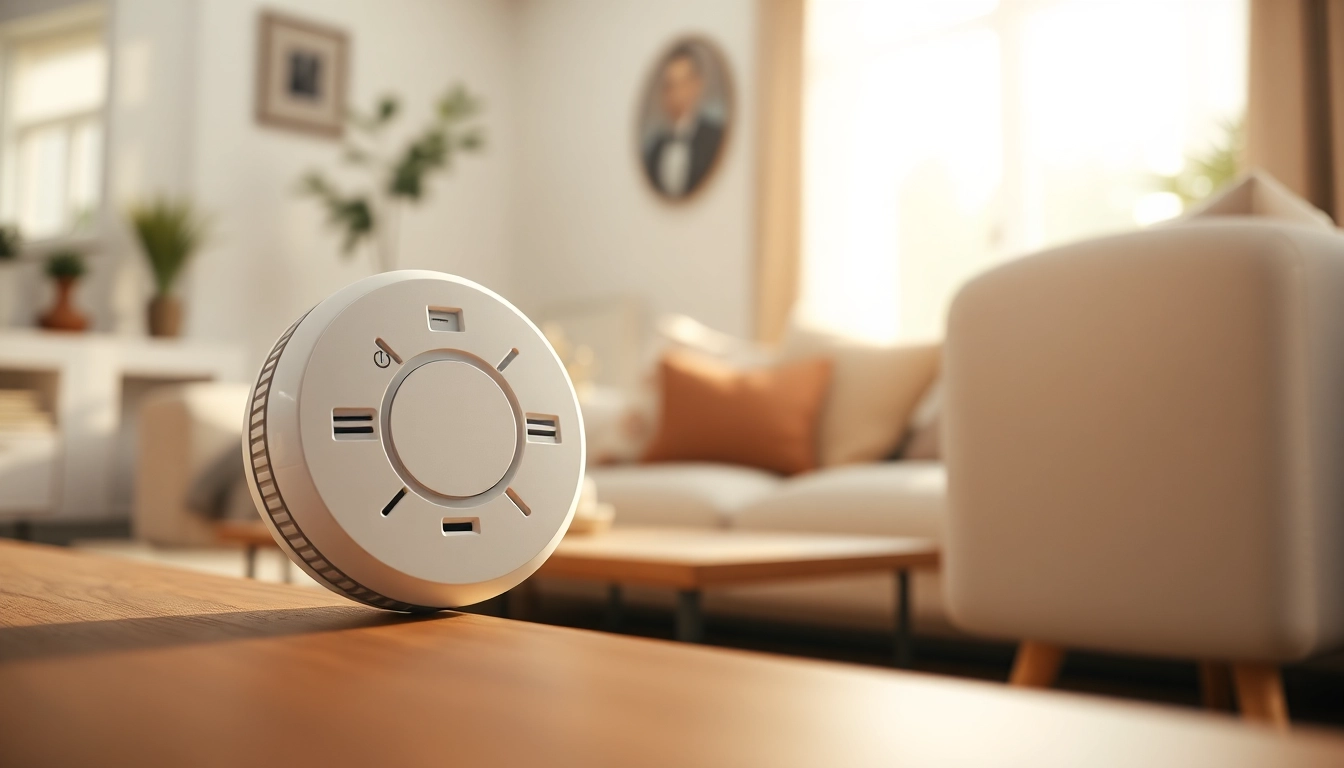
What Is a Carbon Monoxide Detector and How Does It Work?
Definition and Importance of Carbon Monoxide Detectors
A carbon monoxide detector is a crucial safety device designed to identify the presence of carbon monoxide (CO) gas in residential and commercial buildings. Carbon monoxide is an odorless, colorless gas that can be lethal even in small quantities, making detection absolutely vital. According to the Centers for Disease Control and Prevention (CDC), more than 400 Americans die from unintentional CO poisoning every year. A properly functioning carbon monoxide detector can alert occupants in time to prevent health issues or fatalities.
How Carbon Monoxide Detection Works
Carbon monoxide detectors use sensors to detect the presence of CO in the air. The most common types of sensors include electrochemical sensors, metal oxide semiconductor sensors, and biogas sensors. When CO is detected, the device emits a loud alarm that signals the need for immediate action. The alarm’s sound may vary depending on the concentration of carbon monoxide detected, allowing for differentiated alerts.
Types of Carbon Monoxide Detectors Available
There are several types of carbon monoxide detectors on the market:
- Batter-operated detectors: These rely on batteries and are easy to install anywhere in the home. Routine battery checks and replacements are essential.
- Hardwired detectors: These are connected to the home’s electrical system and often include a battery backup for emergency situations.
- Smart detectors: Integrated with home automation systems, smart detectors can send alerts to your smartphone and interface with other smart devices.
Common Reasons Your Carbon Monoxide Detector Is Beeping
Low Battery Alert
One of the most common reasons for a carbon monoxide detector to beep is a low battery alert. Most detectors are equipped with a battery indicator feature that starts beeping when the battery level is low. It's crucial to replace the batteries at least once a year to ensure uninterrupted function. Some models may even provide a chirping noise at intervals to remind you before the battery fully depletes.
Carbon Monoxide Presence
This is the most serious reason for your detector to sound an alarm. If your carbon monoxide alarm is beeping continuously, it likely indicates the presence of CO in your environment. This can occur due to malfunctioning appliances, blocked chimneys, or inadequate ventilation. Understanding this can save lives—you should immediately evacuate the area and ensure the safety of all occupants.
End of Life Signal
Carbon monoxide detectors do not last indefinitely. Many models have a lifespan of around 5 to 7 years; after this period, the device can start to malfunction, including false alarms. A detector often beeps periodically to signal that it has reached the end of its useful life. Replacement is essential to maintain safety standards in your home.
Immediate Actions When Your Detector Starts Beeping
Evacuating Your Home Safely
If your carbon monoxide detector is beeping due to a CO alert, the first step is to evacuate the property. Ensure everyone in your household, including pets, exits quickly and calmly. Head to a safe location outdoors, away from the building to avoid exposure to potential harmful gases. Do not attempt to locate the source of the carbon monoxide until your safety is confirmed.
Contacting Emergency Services
Once you have exited the building, contact emergency services. They have the expertise to address potential CO leakage and can perform necessary checks to ascertain safety. Avoid entering your home again until given the all-clear by a professional, as undetected CO can pose serious health risks.
Understanding Alarm Signals
Different carbon monoxide detectors may have distinct alarm sounds. Familiarizing yourself with the specific sounds of your device can be critically important during an emergency. For instance, a continuous beep typically points to a dangerous concentration of carbon monoxide, while intermittent chirps may indicate a low battery. It’s essential to refer to the user manual to properly decode alarm signals.
Maintenance Tips to Prevent False Alarms
Regular Testing and Battery Replacement
To ensure your carbon monoxide detector remains functional, test it monthly. Most devices have a test button that allows you to verify its operation. In addition, replace the batteries at least once a year. Keep in mind that some modern detectors are equipped with long-life batteries that may not require replacement for several years. Nonetheless, monitoring your device's operational capabilities is crucial.
Cleaning and Placement Guidelines
Regular cleaning will help maintain the efficiency of your carbon monoxide detector. Dust and debris can accumulate on sensors, leading to false alarms. Gently vacuum the device or use a damp cloth for cleaning. Furthermore, placement is key; carbon monoxide detectors should be installed on walls or ceilings near bedrooms to ensure timely detection and alerts during the night.
When to Replace Your Detector
As a general rule, carbon monoxide detectors should be replaced every 5 to 7 years. Each model may have a specific lifespan indicated in the user manual or on the detector itself. If your unit is beeping due to an end-of-life signal, it’s vital to replace it immediately to ensure continued safety in your environment.
Conclusion: Ensuring Your Safety with Effective Carbon Monoxide Detection
Final Thoughts on Home Safety
Carbon monoxide detection is an integral part of maintaining a safe environment. Being proactive about installation, maintenance, and awareness ensures that your CO detectors function effectively, providing peace of mind. If you notice carbon monoxide detector beeping, always respond promptly to prevent serious health risks.
Resources for Further Education
To stay informed about carbon monoxide safety practices, consider resources such as the National Fire Protection Association (NFPA), the CDC, and local fire departments. Ongoing education is essential to understanding how to manage this invisible threat.
Choosing the Right Detector for Your Home
When selecting a carbon monoxide detector, consider factors such as ease of installation, type of power source, and additional features like smart connectivity. Researching reputable brands and reading consumer reviews can also guide you in choosing the best unit suitable for your home’s needs. Remember, the safety of your loved ones depends greatly on the functionality of your carbon monoxide detection equipment.