
Understanding Fixed Retainers
In the world of orthodontics, a fixed retainer serves a crucial function in maintaining the alignment achieved through braces or other orthodontic treatments. Unlike removable retainers, fixed retainers are bonded to the back of the teeth, providing continuous support to ensure that the teeth remain in their correct positions post-treatment. This article will delve into the various aspects of fixed retainers, including their functionality, benefits, and key considerations for teens undergoing orthodontic treatment.
What is a Fixed Retainer and How Does it Work?
A fixed retainer is essentially a thin wire that is permanently bonded to the back of the front teeth, typically extending from canine to canine. This retainer is designed to prevent teeth from shifting back to their original positions after braces are removed. The wire is made from durable materials, ensuring longevity and effectiveness. By holding the teeth in place, fixed retainers play a critical role in the retention phase of orthodontic treatment, maintaining the results achieved during the alignment process.
Types of Fixed Retainers: Materials and Designs
Fixed retainers come in various designs and materials to suit individual patient needs. The most common type is made from stainless steel wire, which is known for its strength and resistance to corrosion. Additionally, some orthodontists may use composite materials that blend in better with the natural tooth color for aesthetic purposes. These materials not only enhance comfort but also provide effective retention without being visibly intrusive.
Fixed Retainers vs. Removable: Key Differences Explained
The choice between fixed and removable retainers often depends on the patient’s specific orthodontic needs. Fixed retainers offer the advantage of being permanent and worry-free, eliminating the risk of forgetting to wear a removable retainer. However, they may require more maintenance in terms of oral hygiene, as proper brushing and flossing techniques must be employed to prevent plaque buildup around the wire. Removable retainers, like clear aligners, provide flexibility but come with the responsibility of consistent wear to be effective.
The Benefits of Choosing a Fixed Retainer
Long-Term Stability Post-Orthodontic Treatment
One of the primary advantages of fixed retainers is their ability to provide long-term stability. After spending months or years undergoing orthodontic treatment, patients want to ensure that their results last. Fixed retainers help minimize the risk of relapse, which can occur if teeth begin to shift back into misalignment. This stability is especially important for teens, whose teeth are still developing and may be more susceptible to shifting.
Enhanced Aesthetics with Lingual Options
For those concerned about the visibility of traditional orthodontic retainers, lingual fixed retainers offer an aesthetic solution. These retainers are placed on the back side of the teeth, making them virtually invisible from the front. This feature is particularly appealing to teens who may be self-conscious about their braces or retainers and desire a less noticeable option.
Reduced Need for Additional Orthodontic Procedures
By using a fixed retainer to maintain alignment, patients may reduce the likelihood of needing additional orthodontic treatments in the future. This translates to fewer visits to the orthodontist and lower long-term treatment costs. For teens, this means less disruption to their busy schedules, as they can avoid further appointments related to realignment.
Considerations for Teens Choosing Fixed Retainers
Age and Timing: When is the Best Time for a Fixed Retainer?
The ideal time for placing a fixed retainer is usually right after braces are removed. This timing ensures that the teeth are stabilized immediately, promoting better retention of the orthodontic results. Generally, orthodontists recommend that fixed retainers remain in place for several years, particularly during the teenage years when dental development is still occurring.
Patient Preferences: Involving Teens in Decision-Making
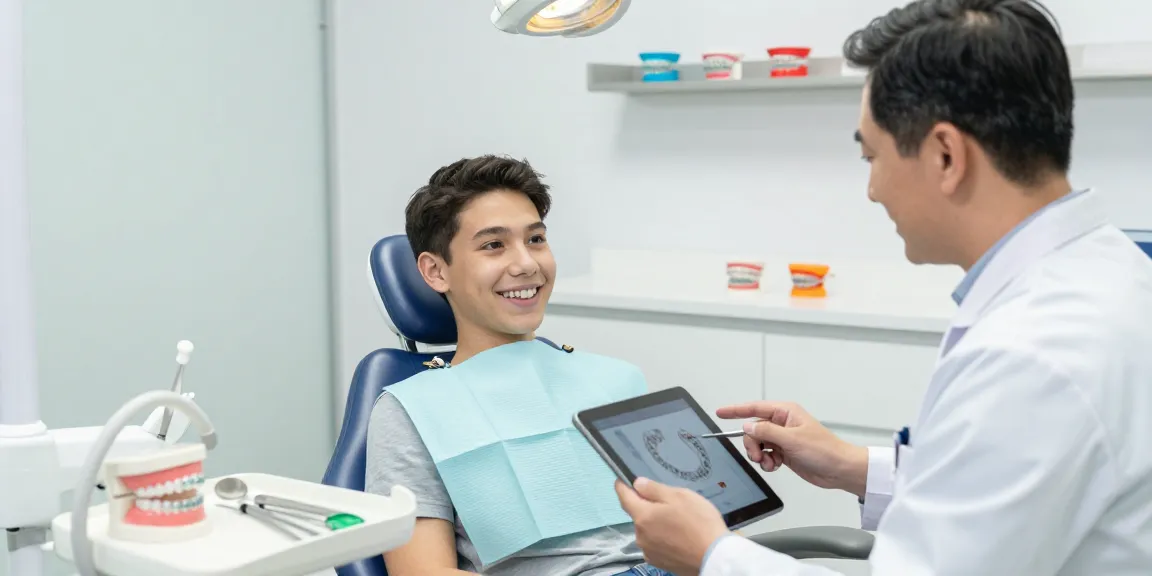
Involving teens in the decision-making process surrounding their orthodontic treatment can lead to a more successful outcome. It’s essential for orthodontists like Dr. Carolyn to discuss the benefits and responsibilities of fixed retainers with their teenage patients, allowing them to express their preferences and concerns. This collaborative approach helps ensure that the chosen solution aligns with the teen’s lifestyle and comfort level.
Maintenance and Care: Best Practices for Longevity
Maintaining a fixed retainer is essential for its longevity and performance. Patients should engage in regular oral hygiene routines, which include brushing and flossing carefully around the retainer. Special cleaning devices or interdental brushes may also be recommended to ensure that plaque and food particles do not accumulate. Regular check-ups with the orthodontist are crucial in monitoring the retainer’s condition and ensuring that it remains secure.
Real-Life Experiences: Testimonials and Case Studies
Success Stories: Teens Who Chose Fixed Retainers
Many teens and their parents have reported positive experiences with fixed retainers following orthodontic treatment. For instance, a local teen, Mia, shared, “After my braces were taken off, I was really worried about my teeth shifting back. Getting a fixed retainer gave me peace of mind and allowed me to focus on enjoying my new smile without worrying about my teeth moving.” Testimonials like these highlight the emotional and psychological benefits of choosing the right retainer.
Addressing Misconceptions: Common Myths Debunked
There are several misconceptions surrounding fixed retainers, including the belief that they are uncomfortable or overly restrictive. In reality, many patients find them to be a comfortable option that they quickly adapt to. Additionally, some may worry that fixed retainers will interfere with their ability to speak or eat, but most report no significant issues in day-to-day life.
Expert Opinions: Insights from Orthodontists
Orthodontists often emphasize the importance of fixed retainers in maintaining the integrity of orthodontic results. Dr. Carolyn remarks, “Choosing the right type of retainer is crucial for long-term success. Fixed retainers offer a stable and reliable way to ensure that the hard work put into braces is not undone.” Such insights reinforce the value of fixed retainers in the orthodontic treatment continuum.
Future Trends in Orthodontic Retainers
Innovations in Fixed Retainer Technology for 2026
As the field of orthodontics continues to evolve, advancements in retainer technology are on the horizon. Innovations may include more flexible materials that can adapt to the changing shape of teeth and improved bonding techniques that enhance durability. These developments aim to further optimize the effectiveness of fixed retainers for teens and adults alike.
Combining Fixed and Removable Retainers: A Strategic Approach
Many orthodontists are recognizing the benefits of a combined approach using both fixed and removable retainers. This strategy allows for optimal retention while accommodating varying patient lifestyles. For example, a patient may use a fixed retainer for permanent stability while incorporating a removable retainer at night to maintain alignment.
Preparing for the Future: Adjusting to Changes in Orthodontic Practices
As orthodontic practices continue to incorporate technology, patients can expect enhanced treatment and retention options. From digital scans to AI-assisted treatment planning, the future of orthodontics looks promising, offering comprehensive solutions tailored to the unique needs of each teen.
What are the Pros and Cons of Fixed Retainers?
While fixed retainers offer numerous benefits such as stability and aesthetics, there are potential downsides to consider. These include the possibility of difficulty in maintaining oral hygiene and the need for professional monitoring. It’s essential for patients to weigh these factors carefully and discuss them with their orthodontist.
How Long Should You Keep a Fixed Retainer?
Generally, fixed retainers should remain in place for at least two to five years, depending on individual circumstances and the orthodontist’s recommendations. Ongoing assessments will determine if and when the retainer may be safely removed.
Can a Fixed Retainer Cause Dental Issues?
While fixed retainers are designed to provide stability, improper care or maintenance can lead to dental issues such as plaque buildup or gum disease. Regular dental visits and diligent hygiene practices are essential to prevent complications.
What Maintenance Do Fixed Retainers Require?
Maintaining a fixed retainer involves routine oral hygiene practices, including regular brushing and flossing. Using a floss threader or interdental brush can be particularly helpful in navigating the wire. Routine check-ups will also ensure that the retainer remains in good condition.