Introduction to Fly Fishing for Beginners
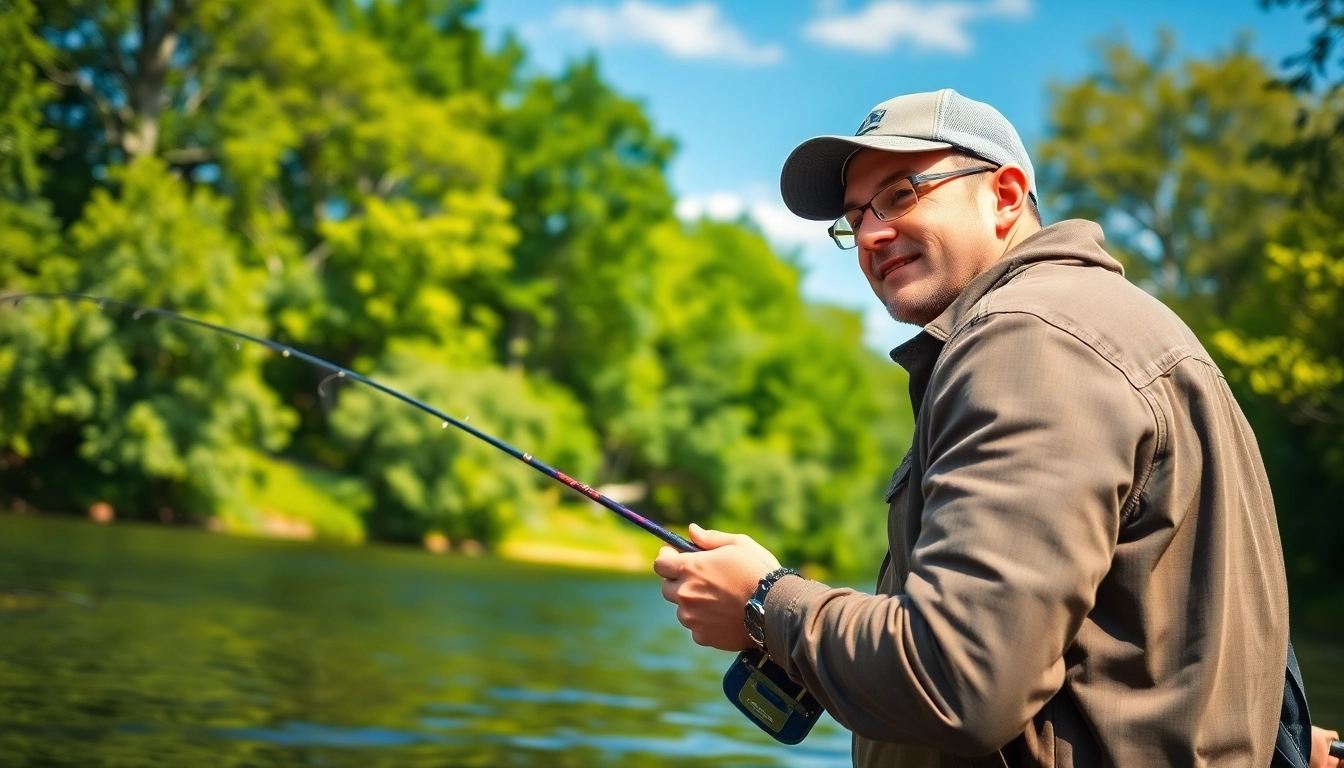
Fly fishing is an exhilarating outdoor activity that combines elements of skill, technique, and nature, making it an excellent way for individuals to connect with the environment. For those venturing into the world of sport fishing, fly fishing for beginners may appear intimidating at first. However, with the right approach and guidance, anyone can become proficient at it. This comprehensive guide aims to take you through the essentials of fly fishing, from understanding the basic concepts to mastering advanced techniques.
Understanding the Basics of Fly Fishing
At its core, fly fishing relies on a few fundamental principles that set it apart from other fishing methods. Instead of using bait and heavy weights to lure fish, fly fishing employs lightweight artificial flies that mimic insects, baitfish, and other food sources in the water. These flies are cast using specialized equipment that allows anglers to present their offerings delicately on the water’s surface, thus inviting fish to bite.
One of the primary objectives when fly fishing is to accurately imitate the natural food sources of fish. To succeed, beginners should familiarize themselves with local species, their feeding patterns, and preferred habitats. The art of fly fishing extends beyond the action of casting; it also includes understanding aquatic ecosystems and being in tune with nature.
Essential Gear for New Anglers
Selecting the right gear is crucial for new anglers. A basic fly fishing setup comprises the following components:
- Fly Rod: Choose a rod that matches the weight of your targeted species. A 5 to 6-weight rod is generally suitable for a variety of freshwater applications.
- Fly Reel: Ensure it is compatible with your rod’s specifications and supports the weight of your fly line.
- Fly Line: Floating or sinking lines come in various weights. Beginners should generally opt for a weight-forward floating line to ease casting.
- Leader and Tippet: Leader line attaches to the fly line, transitioning to a thinner tippet, which connects the fly to the leader.
- Flies: Stock up on different fly patterns like dry flies, nymphs, and streamers that correspond with local hatch times.
- Fishing Vest and Accessories: A vest can help organize gear, while additional items like nets, fly boxes, and grooming tools are essential for effective fishing.
Investing in quality equipment does not necessarily mean breaking the bank. Many reputable brands provide starter kits that include the essentials for beginners.
Choosing the Right Location
The thrill of fly fishing is heavily influenced by the location. Certain bodies of water are more suitable than others for beginners. Here are some tips for finding prime fishing spots:
- Research Local Waters: Start with small creeks, lakes, or ponds where fish populations are more abundant and easier to engage.
- Consult Local Guides or Shops: These resources can provide valuable insight into the best seasons and techniques for local waters.
- Observe Conditions: Look for areas with insect activity, as this often correlates with fish feeding times.
The concept of pay attention to the environment can significantly enhance your overall experience. Following local regulations will ensure that you are fishing sustainably.
Fundamentals of Casting Techniques
Mastering casting techniques is a significant milestone for any aspiring fly fisher. The casting action directly impacts how the fly lands on the water and whether it effectively attracts fish.
Learning the Overhead Cast
The overhead cast is the most fundamental technique in fly fishing. To perform it effectively:
- Begin by holding the rod with a relaxed grip, extending your arm in front of you.
- Lift the rod smoothly, angling it upward to bring the line behind you. Use smooth acceleration, not a jerky motion.
- When the line reaches about a 10 o’clock position, immediately transition to the forward cast, again ensuring a fluid motion.
- Release the line when the rod reaches a forward angle of about 1 o’clock.
- Follow through smoothly, keeping the tip steady to control the landing of the fly.
Consistent practice, including on-water sessions or practice casting in open fields, is vital for mastering this technique.
Mastering Roll Casting Skills
Roll casting is an indispensable skill, particularly when space is limited, such as fishing in tight streams surrounded by vegetation. To execute a roll cast:
- Position yourself with the line in the water in front of you, ensuring it is taut.
- Lift the rod tip to create a D-shaped loop. This builds energy for the cast.
- Push the rod onward in front of you (a forward motion) while permitting the line to roll over the water surface.
- Focus on an upright rod and pick a target about 10-15 feet away.
Practicing roll casts will enable you to be effective in various situations without spooking nearby fish.
Common Mistakes to Avoid in Casting
New anglers are often prone to a few common mistakes when casting. Here are some to watch out for:
- Too Much Force: Many beginners think they need to exert excessive force to cast effectively, which can lead to inaccuracies. Focus on smooth, controlled strokes instead.
- Improper Timing: Timing the release during your cast is crucial. Practice with a target helps develop better timing.
- Incorrect Grip: A tight grip on the rod can hinder the natural motion needed for effective casting. Maintain a relaxed hold.
By recognizing and correcting these mistakes early on, beginners can enhance their casting techniques significantly.
Fly Selection and Tying Basics
The right fly can mean the difference between a successful day of fishing and a frustrating experience. Understanding fly selection and basic tying techniques is vital.
Types of Flies and Their Uses
Flies can be categorized mainly into three groups: dry flies, nymphs, and streamers. Each mimics particular food sources at different water levels:
- Dry Flies: These float on the water’s surface and simulate adult insects. They are effective during the hatch season.
- Nymphs: Fished below the surface, nymphs represent the juvenile stage of insects. They’re essential when fish are feeding underwater.
- Streamers: These imitate small fish and other prey. Streamers are used for aggressive species or in murky waters.
A solid understanding of local aquatic life and hiking patterns will aid you in choosing the right flies for every fishing situation.
Simple Fly Tying for Beginners
Fly tying allows anglers to customize flies specific to local conditions. Beginners might find the following basic technique useful:
- Gather materials like hooks, thread, feathers, fur, and tools like a vice, scissors, and a whip finish tool.
- Secure the hook in the vice, thread your line through the hook eye, and start wrapping the thread around the hook shank.
- Add materials based on the fly design. Use a whip finish to secure the thread at the end.
There are numerous online resources with patterns, tutorials, and videos to further assist new fly tyers.
How to Match Hatches Effectively
Matching hatches is about selecting flies that most resemble the current available insects. To effectively match hatches:
- Observe the water for natural insect activity.
- Take note of the size, color, and behavior of the active insects.
- Utilize a fly that corresponds closely to the observed insects.
Tracking the timing of different hatches in your area can provide insights into the optimal time to fish and which flies to use.
Understanding Water Types and Conditions
Identifying the types of water you will be fishing in is crucial for successful fly fishing. Different water conditions require varied techniques and setups.
Identifying Best Fishing Spots
Certain areas show promise of higher fish populations. Factors to consider include:
- Structure: Look for submerged rocks, logs, and vegetation, as these provide shelter for fish.
- Depth Variation: Fish tend to congregate in deeper sections of lakes and rivers, particularly during hotter months.
- Current Flow: Find eddies or slower flows where fish can rest while waiting for food.
Understanding how these elements interact will drastically improve your chances of landing fish.
Navigating Different Water Conditions
Each body of water presents unique challenges and opportunities. Here are ways to adapt:
- Fast Water: In strong currents, use heavier flies and a longer leader to maintain contact.
- Still Water: In lakes or ponds, focus on casting far and slow retrieval to attract fish.
- Clear Water: Lighter, more natural presentations are crucial in clear water where fish can be spooked easily.
Adapting your approach will allow for more effective fishing, no matter the conditions.
Reading Current and Structure
Understanding how current interacts with water structures can guide effective techniques. Observe:
- Flow Patterns: Fish tend to be located in downcurrent areas where food is swept.
- Shaded Areas: Underwater structures and shade provide cover for fish.
- Staging Zones: Identify places where fish congregate during feeding times.
Through careful observation, you can position your casts to target fish more accurately.
Advanced Techniques and Practical Tips
As you develop your skills, you may want to explore more advanced techniques and strategies to enhance your overall fishing experience.
Conservation Practices for Beginners
Sustainable fishing practices are essential for maintaining healthy ecosystems. New anglers should always:
- Practice catch and release to avoid depleting fish populations.
- Stay informed about local regulations and follow them diligently.
- Clean up after your fishing outings to protect natural habitats.
Conservation efforts help sustain fish populations for future generations, ensuring the longevity of the sport.
Networking with Local Fishing Communities
Establishing connections within local fishing communities can be tremendously advantageous. Here’s how to get started:
- Join Local Clubs: These provide networking opportunities and access to workshops and events.
- Engage on Online Forums: Sharing experiences and seeking advice can accelerate your learning process.
- Attend Workshops or Classes: These often bring together seasoned anglers who can share valuable insights.
Community involvement enriches your experience and opens doors to new fishing opportunities.
Keeping a Fishing Journal to Improve Skills
A fishing journal is a powerful tool for tracking your progress and refining techniques. Include:
- Date, location, and weather conditions.
- Success rates and techniques used.
- Types of flies and their effectiveness.
Over time, journaling can reveal patterns that will improve your skills and strategies.
Frequently Asked Questions
What is the best time to go fly fishing?
Generally, early mornings and late afternoons yield the best results due to active feeding patterns in fish.
Do I need a fishing license to fly fish?
Yes, most places require a fishing license. Check local regulations for specifics.
Can I fly fish without tying my flies?
Absolutely! You can purchase a wide variety of pre-made flies suited to your needs.
What are the main types of fly rods?
Fly rods come in various weights, with 4 to 8 weights commonly used for freshwater species like trout.
How can I prevent line tangles?
Proper cast technique and line management are key. Regularly inspect your line to ensure it’s free of kinks.