
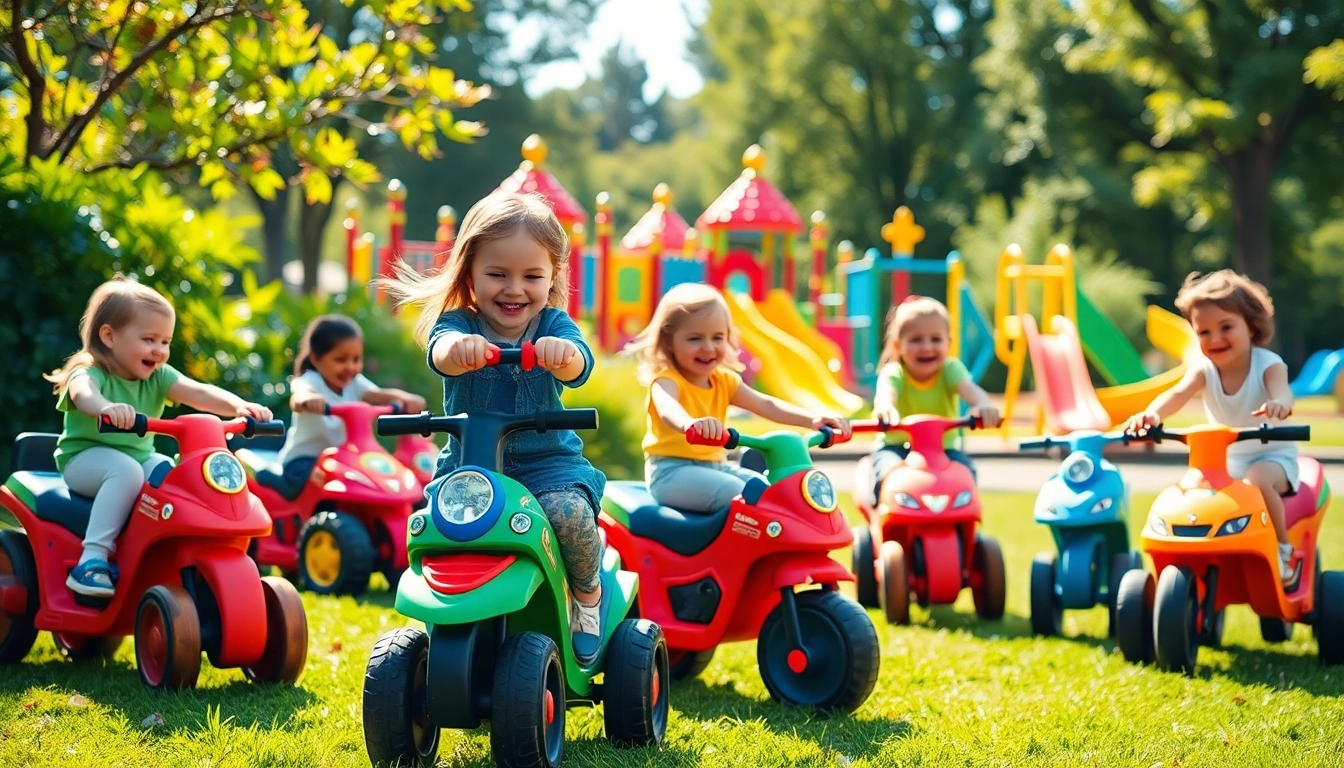
Types of Ride On Toys
Overview of Ride On Toys
Ride on toys are a delightful addition to any child’s playtime. These toys are designed for children to sit on and propel themselves, typically through foot power or electric motors. They come in various forms, including scooters, tricycles, pedal cars, and electric ride on toys. With an emphasis on physical activity and imaginative play, ride on toys can greatly enhance a child’s developmental skills, coordination, and overall enjoyment while playing outdoors. The ride on toys range from simple walking toys to elaborate vehicles that can mimic real-life cars or bikes.
Benefits of Each Type
Scooters
Scooters are excellent for improving balance and coordination. They encourage children to use their legs to push off and develop leg strength while also providing a fun way to explore their surroundings. With two or three wheels, they can offer stability for younger riders while still being great fun.
Tricycles
Tricycles are fantastic for toddlers as they offer stability while allowing children to practice pedaling and steering. They help develop gross motor skills and provide a foundation for transitioning to two-wheeled bicycles later.
Pedal Cars
Pedal cars can replicate the experience of driving in a fun and safe environment. They promote active play, enhance physical fitness and help children learn about road safety and navigation within their play areas.
Electric Ride On Toys
Electric ride on toys are popular for older toddlers and young children. These toys provide an exciting experience as they allow kids to drive at controlled speeds. They often come with features like working headlights, horns, and reversible gears, all promoting imaginative play. However, they require adult supervision for optimal safety.
Choosing the Right Ride On Toys
Age Appropriateness
Selecting the right ride on toys begins with considering the age of the child. Generally, ride on toys can suit children from about 1 to 5 years old, with variations depending on the toy’s specifications. As ride on toys cater to varying developmental stages, it is crucial to review the manufacturer’s guidelines for age recommendations to ensure safety and enjoyment.
Size and Weight Considerations
The size and weight of the ride on toys should correlate with the child’s size and strength. A toy that is too large can be daunting, while one that is too small may not provide adequate support. Ensure the child can reach the ground comfortably and operate the controls without difficulty. Additionally, weight limits must also be observed to prevent accidents and ensure safe play.
Durability and Material Quality
Durability is essential when it comes to ride on toys. Opt for toys made from high-quality materials that can withstand active outdoor play and rider-induced wear-and-tear. Toys constructed from sturdy plastics or metals typically offer longer life spans. It’s prudent to check user reviews and product specifications to ascertain the longevity and robustness of the toy.
How to Encourage Safe Play
Setting Up a Safe Play Area
A designated play area is crucial for ensuring children’s safety while they enjoy their ride on toys. Look for flat surfaces free from obstacles like stones or inappropriate landscape features that could cause stumbling or tipping. If possible, set up a play area away from traffic or busy roads, and make it distinct from other playground equipment.
Supervision Best Practices
Maintaining vigilant supervision while children use ride on toys can prevent accidents. An adult should always monitor play, especially for younger children. Establishing specific rules about where they can ride and for how long can help minimize risks associated with unsupervised play.
Teaching Safe Riding Techniques
Education around safe riding practices is critical. Teach children how to properly mount and dismount from their ride on toys, the importance of braking, and recognizing their riding limits. Encouraging them to stay within designated safe areas and explain the reasons for safety rules and expectations promotes responsible play.
Maintenance of Ride On Toys
Regular Inspection Tips
Conducting regular inspections of ride on toys ensures they remain safe for use. Check tires for wear, inspect wheels for tightness, and ensure all components function correctly. Consider implementing a monthly schedule to investigate these aspects diligently, noting any repairs needed for the toy’s safety.
Cleaning and Care Instructions
Proper cleaning helps prolong the life of ride on toys. Depending on the material, recommend wiping down with mild soap and water, ensuring to rinse thoroughly to avoid residue. For outdoor rides, cleaning immediately post-play helps maintain the toy’s aesthetic and functional quality by preventing dirt accumulation.
Storing Ride On Toys
Storage plays a vital role in the longevity of ride on toys. Ideally, store them in a dry, sheltered area to protect them from the elements. If storing outdoors, consider a cover or tarp. Positioning the toys upright helps prevent damages or deformities, especially with inflatable or plastic models.
FAQs About Ride On Toys
What age are ride on toys suitable for?
Ride on toys are generally suitable for children aged 1 to 5 years, depending on the type and weight limit. Always check manufacturer’s guidelines for specifics.
How do I ensure my child’s safety when using ride on toys?
Always supervise your child, set up play areas away from roads, and ensure the toy is age-appropriate and well-maintained for safety.
Can ride on toys be used outdoors?
Many ride on toys are designed for outdoor use; however, check the manufacturer’s instructions regarding weather resistance and safety precautions.
How often should I inspect ride on toys?
Inspect ride on toys regularly, at least once a month, for wear and damage, ensuring all parts are secure and safe for use.
Are electric ride on toys safe?
Electric ride on toys can be safe if used correctly. Monitor battery life, ensure supervision, and teach proper use to prevent accidents.