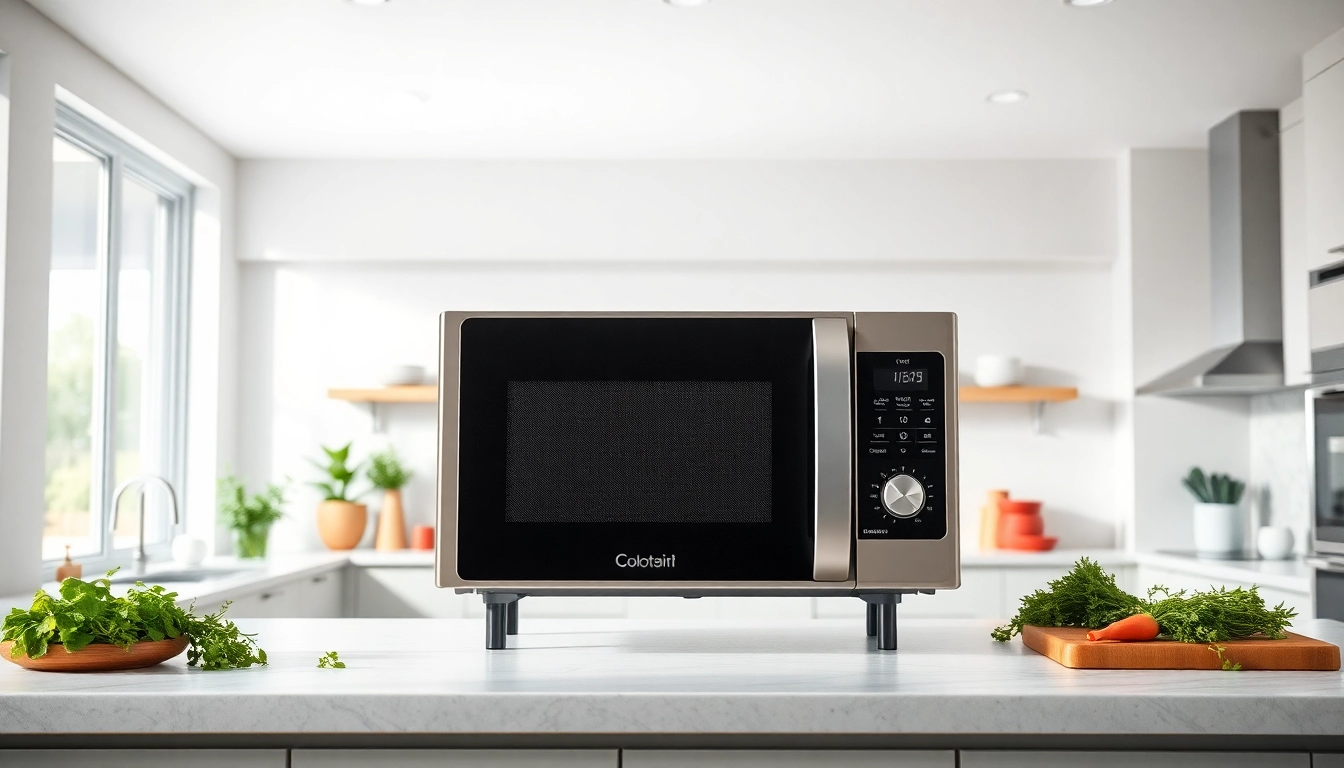
The Basics of Microwave Oven Technology
How Does a Microwave Oven Function?
A Microwave Oven uses electromagnetic radiation to quickly heat and cook food. When you turn on the microwave, it generates microwave radiation, which is a type of electromagnetic wave. This radiation is absorbed by water molecules in food, causing them to vibrate at a high frequency, resulting in heat. This heating process cooks the food evenly and rapidly, making microwave ovens one of the most efficient cooking devices available.
Key Components of a Microwave Oven
The main components of a microwave oven include:
- Magnetron: This is the component that generates microwave radiation.
- Cavity: The interior space where food is positioned for heating.
- Turntable: A rotating plate that ensures even cooking by moving the food around within the cavity.
- Control Panel: The interface used to select cooking times and power levels.
- Door Safety Switch: A safety mechanism that ensures the magnetron does not operate when the door is open.
Benefits of Using a Microwave Oven
Microwave ovens offer numerous advantages, such as:
- Speed: Cooking and reheating times are drastically reduced compared to conventional methods.
- Energy Efficiency: They consume less energy than traditional ovens.
- Versatility: Suitable for a wide range of cooking tasks, from reheating leftovers to cooking complex meals.
- Minimal Cleanup: Fewer dishes are required, and most food spills can be wiped away easily.
Choosing the Right Microwave Oven for Your Home
Different Types of Microwave Oven
When choosing a microwave oven, consider the various types available:
- Countertop Microwaves: These are the most common and can easily be placed on a kitchen counter.
- Over-the-Range Microwaves: These models double as a range hood and save valuable counter space.
- Built-in Microwaves: Custom-installed into cabinetry for a seamless look in your kitchen.
- Microwave Oven Combinations: These units combine microwave cooking capabilities with convection heating for added versatility.
Features to Consider When Buying
Key features that can enhance your microwave experience include:
- Wattage: Higher wattage typically means faster and more even cooking.
- Sensor Cooking: Automatically detects moisture levels to adjust cooking time.
- Pre-programmed Settings: Simplified options for cooking specific foods.
- Child Lock: Security feature to prevent accidental operations.
- Interior Lighting: Helps monitor the cooking process without opening the door.
Size and Capacity Considerations
Microwave ovens vary in size, from compact models to larger ones that can accommodate sizeable dishes. Here are some points to consider:
- Kitchen Space: Measure your counter or built-in space accurately to ensure a good fit.
- Capacity: Decide based on the types of dishes you typically cook. A capacity of 1.5 to 2.0 cubic feet is standard for most families.
- Turntable Diameter: Ensure it can rotate freely for even cooking.
Using Your Microwave Oven Efficiently
Best Practices for Cooking
To maximize the efficiency of your microwave oven, follow these best practices:
- Covering Food: Use lids or microwave-safe covers to trap steam for faster cooking and keep moisture in.
- Stirring and Rotating: When reheating, pause to stir or rotate food for more even heating.
- Using Appropriate Containers: Always select microwave-safe materials to avoid health risks.
Heating and Defrosting Techniques
Efficient heating and defrosting are crucial to achieving desired results:
- Defrosting: Utilize the defrost setting for meats and fish, adjusting time based on weight.
- Heating: For cold food, select shorter times at a lower wattage and gradually increase heat.
- Rest Time: After microwave cooking, allow food to rest for a few minutes to ensure even temperature distribution.
Safety Tips for Microwave Oven Use
To ensure safe operation, keep these tips in mind:
- Avoid Superheating: Be cautious with liquids as they can superheat without visible signs, leading to explosive boiling.
- Use Microwave-Safe Containers: Never use metal or containers with metal trim.
- Check for Damage: Regularly inspect the door seals and hinges for damage to maintain safety.
Cleaning and Maintenance of Microwave Oven
Routine Cleaning Tips
Maintaining your microwave's cleanliness is essential for performance and hygiene:
- Regular Wipes: Use damp cloths to wipe down the interior and exterior surfaces weekly.
- Vinegar Steam Cleaning: Boil a mixture of water and vinegar in the microwave to sanitize and deodorize.
- Avoid Harsh Chemicals: Use mild cleaners to prevent damaging the surfaces.
How to Remove Stubborn Stains
For tough stains:
- Baking Soda Paste: Mix baking soda with water to form a paste and apply to stains for easy removal.
- Microwave Safe Bowl: Heat water and lemon juice to steam clean, loosening grime.
- Soft Scrubbers: Use gentle sponges to avoid scratching the surfaces.
Common Issues and Troubleshooting
If you encounter issues with your microwave, here are common problems and their solutions:
- No Power: Check if it’s plugged in and if the circuit breaker has tripped.
- Uneven Cooking: Ensure that the turntable is installed correctly and is functioning.
- Strange Noises: Investigate foreign objects inside or worn-out components.
Innovative Recipes You Can Make in a Microwave Oven
Quick Breakfast Ideas Using a Microwave Oven
Kickstart your day with these easy microwave breakfast recipes:
- Microwave Oatmeal: Combine oats, water, and your favorite toppings in a bowl and microwave for a hearty breakfast.
- Scrambled Eggs: Beat eggs in a mug, add seasonings, and cook in short bursts until fluffy.
- Microwave Mug Pancakes: Create a quick batter in a mug for a sweet pancake treat.
Easy Lunch and Dinner Recipes
Here are some microwave-friendly lunch and dinner options:
- Microwave Quinoa: Cook quinoa in a bowl, adding water and spices for a nutritious base for salads.
- Stuffed Bell Peppers: Fill halved bell peppers with cooked rice, beans, and cheese for a delicious meal.
- Vegetable Steamer: Use a microwave-safe bowl to quickly steam vegetables; simply add water and cover.
Deserts You Can Create with a Microwave Oven
Indulge your sweet tooth with these microwave desserts:
- Microwave Brownies: Create rich brownies in just a few minutes by mixing ingredients in a microwave-safe mug.
- Chocolate Mug Cake: Combine flour, cocoa, sugar, and water for a quick-fix cake.
- Microwave Rice Pudding: Cook rice, milk, sugar, and spices in the microwave for creamy dessert perfection.
FAQs
What kinds of dishes can I make in a Microwave Oven?
You can prepare a variety of dishes such as baked potatoes, steamed vegetables, and even desserts like mug cakes. The versatility is impressive!
Is it safe to microwave plastic containers?
Only use microwave-safe plastics to avoid harmful chemicals leaching into food. Always check for specific labeling.
Can I use aluminum foil in a Microwave Oven?
Generally, it’s best to avoid aluminum foil as it can create sparks. Use microwave-safe containers instead.
How do I clean my Microwave Oven effectively?
Mild soapy water or vinegar and water solutions work great. For stubborn stains, use a steam cleaning method with a bowl of water.
What are the energy consumption levels of a Microwave Oven?
Microwave Ovens are energy efficient, using less energy than a conventional oven, making them cost-effective for daily use.