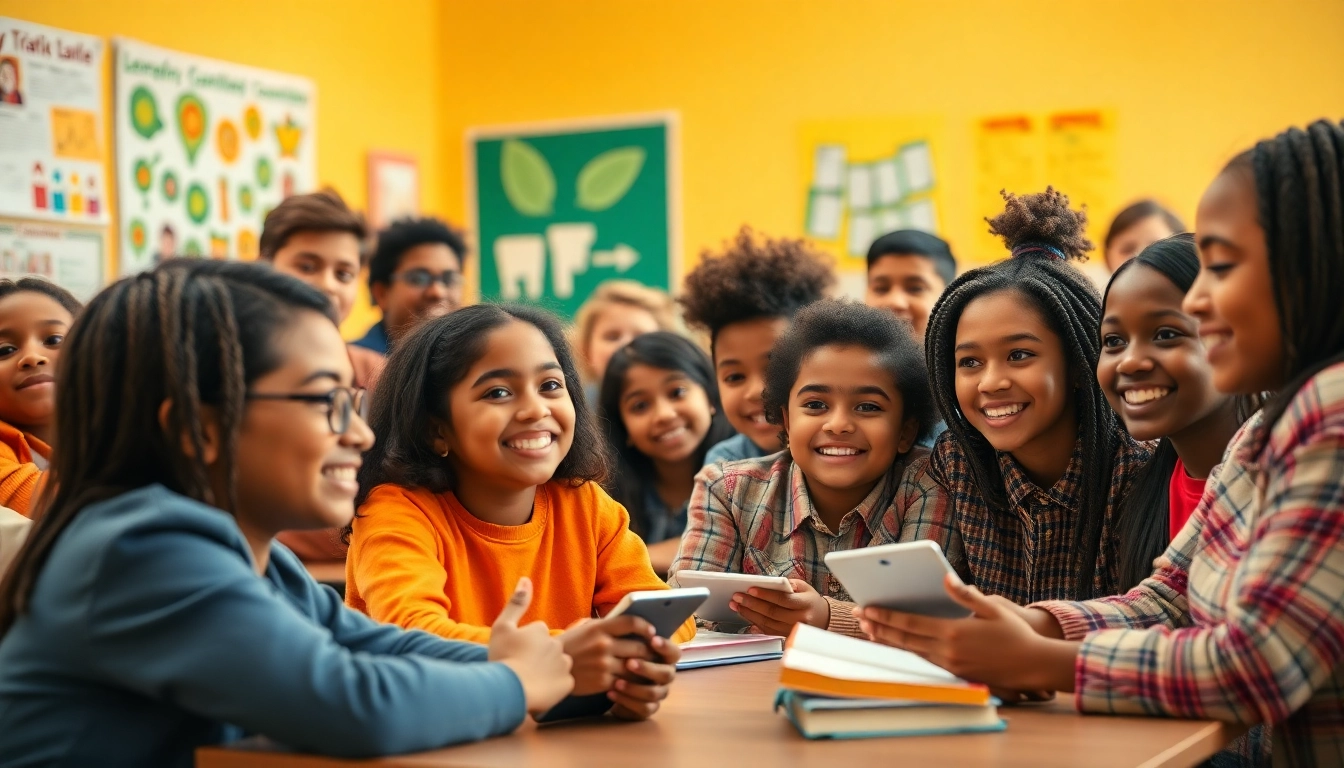
Understanding the Landscape of Education in 2026
The education system is experiencing a significant transformation, driven by reforms that prioritize equity, accessibility, and technology. As we look forward to 2026, it’s critical to understand the shifting landscape. Advocates like Dr. Matthew Lynch emphasize the importance of new approaches in addressing educational disparities. Exploring these strategies can reveal actionable insights into how stakeholders can promote education reform that aligns with the values of freedom, equality, and justice.
Current Trends in Educational Reform
Educational reform is often spurred by social movements that highlight inequity in educational access. Current trends include an increased focus on culturally responsive teaching, promoting diversity in curricula, and advocating for policies that dismantle systemic barriers. Educators and policymakers are working together to foster environments where every student has the opportunity to thrive, regardless of their socio-economic background.
- Culturally Responsive Teaching: This approach recognizes the importance of including students' cultural references in all aspects of learning, thus making education more relevant and effective.
- Diversity in Curriculum: Schools are increasingly integrating diverse perspectives into curricula, which helps students see themselves reflected in what they learn.
- Policy Advocacy: Organizations and individuals are pushing for policy changes that ensure equitable funding and resources for underserved communities.
The Role of Technology in Modern Education
Technology continues to reshape the educational landscape, offering innovative tools for both teaching and learning. Virtual classrooms, learning management systems, and digital resources have become integral to modern education. These tools not only facilitate learning but also foster collaboration and engagement among students.
- Blended Learning Models: Combining traditional face-to-face instruction with online learning has shown to increase student engagement and improve academic outcomes.
- Access to Resources: Digital platforms provide students with access to a wealth of information and learning materials that cater to various learning styles.
- Data-Driven Insights: Technology allows educators to collect and analyze data on student performance, which can inform personalized learning approaches.
Challenges to Education Equity Today
Despite significant progress, challenges to educational equity remain prevalent. Socio-economic disparities, inadequate funding, and rigid educational policies persist as obstacles that many students face. Addressing these challenges is essential to achieve true equity in education.
- Resource Allocation: Schools in affluent areas often receive more funding and better resources than those in lower-income regions, exacerbating inequalities.
- Standardized Testing: Reliance on standardized tests can disadvantage students from diverse backgrounds, leading to a narrow view of student capabilities.
- Access to Technology: The digital divide remains a significant barrier, with many students lacking access to the necessary technology for online learning.
Innovative Approaches to Enhance Learning
Project-Based Learning: A Case Study
Project-based learning (PBL) is an instructional method that encourages students to engage in real-world projects. This approach fosters critical thinking, collaboration, and problem-solving skills. For instance, a PBL initiative might involve students developing a community garden, allowing them to connect with their environment while applying lessons from biology, math, and environmental science.
Personalized Learning Experiences
Personalized learning tailors educational experiences to meet individual student needs. By using technology and differentiated instruction, educators can create customized learning paths that consider each student's strengths, interests, and learning styles. The effectiveness of personalized learning has been well-documented, particularly in addressing the diverse needs of students.
- Adaptive Learning Technologies: These tools respond to the learner's interactions, adjusting the difficulty of tasks to suit their level of understanding.
- Student-Centered Learning: Instructors are shifting focus from traditional lecture-based methods to more interactive, student-led learning environments.
Leveraging Digital Tools for Engagement
Digital tools can significantly enhance student engagement. Interactive platforms, gamification elements, and multimedia resources can make learning more enjoyable and effective. Implementing these tools can result in improved retention of information and increased motivation among students.
Advocating for Education Equity
Understanding Systemic Barriers
The journey toward education equity begins with a clear understanding of the systemic barriers that exist. These barriers may stem from historical inequities, socio-economic factors, and policy decisions. Acknowledging these obstacles is the first step toward developing solutions that address them effectively.
Strategies for Inclusive Curriculum Development
Inclusive curriculum development involves designing educational content that accurately reflects diverse perspectives and experiences. This process requires collaboration among educators, community members, and students. Techniques include soliciting feedback from diverse groups and ensuring materials represent a variety of cultural viewpoints.
Community Involvement in Education Reform
Engaging the community in education is vital for reform initiatives. Local stakeholders, including parents and community leaders, can provide invaluable insights that help shape educational practices and policies. Building strong community partnerships fosters a sense of ownership in the education system and promotes accountability.
Measuring Success in Education Initiatives
Key Performance Indicators for Educational Outcomes
To effectively measure the success of educational initiatives, it is crucial to establish clear key performance indicators (KPIs). These indicators might include student enrollment rates, graduation rates, and assessment scores. By tracking these metrics, educators and policymakers can assess the effectiveness of their strategies and make necessary adjustments.
Feedback Mechanisms from Students and Educators
Implementing feedback mechanisms allows schools to gather input from students and educators on the educational experience. Surveys, focus groups, and regular check-ins can provide insights into what works and what doesn’t, thereby informing continuous improvement efforts.
Case Studies of Successful Programs
Examining case studies of successful educational programs can offer valuable lessons for reformers. Programs that have effectively increased graduation rates or improved student engagement can serve as models for others seeking to replicate similar successes.
Future Trends and Predictions in Education
Emerging Technologies Shaping Education
As we look to the future, technologies such as artificial intelligence, virtual reality, and augmented reality are set to transform education. These advancements can personalize learning experiences and provide immersive educational opportunities that broaden students' horizons.
Global Perspectives on Education Reform
Education reform is not a localized issue; it has global implications. Diverse educational systems from around the world contribute to a better understanding of effective practices and policies. Collaborating internationally can inspire innovative ideas that can be adapted to fit local contexts.
The Future Role of Educators in a Digital World
In the evolving digital landscape, the role of educators is shifting from traditional knowledge transmitters to facilitators of learning. As technology continues to advance, educators will play a crucial role in guiding students to navigate information critically and responsibly.