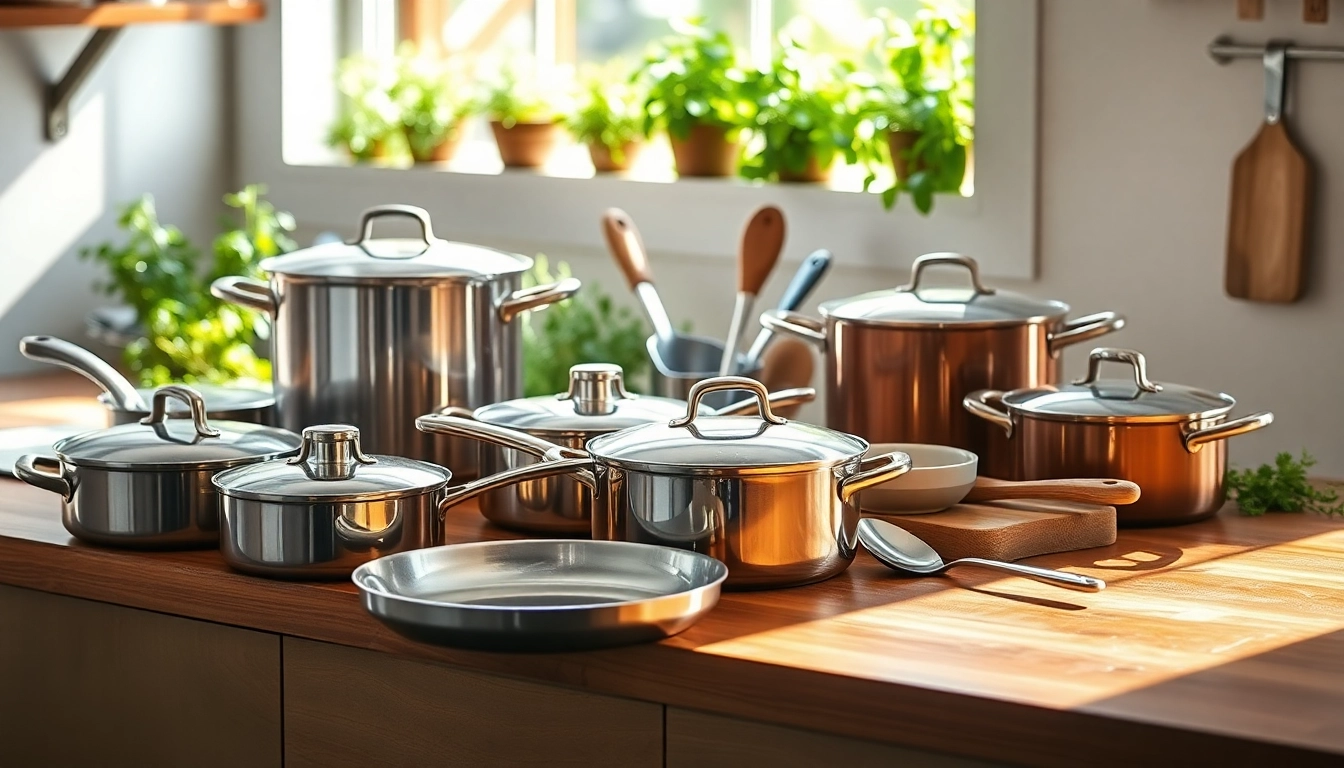
Understanding Cookware Basics
Cookware is an essential component in any kitchen, serving as the medium through which meals are prepared. Understanding what cookware is and its various types will enhance your cooking experience and lead to better meal outcomes. Cookware encompasses pots, pans, and other vessels used to cook food on a stove, in an oven, or over another heat source. It's important to choose the right type for your cooking style, as the material, shape, and size of cookware can significantly affect how food cooks and the overall meal quality. This guide will delve into the nuances of cookware, from types and materials to maintenance and innovations.
Types of Cookware Explained
Cookware can generally be categorized into several types, each designed for specific cooking techniques. Here are the most common categories:
- Saucepans: These are versatile, with tall sides and typically a lid, making them suitable for boiling, simmering, and making sauces.
- Skillets/Frying Pans: Shallow with sloped sides, skillets are ideal for sautéing, frying, and browning foods.
- Stockpots: Large pots used for making soups, stews, and boiling pasta.
- Dutch Ovens: Heavy pot with a tight-fitting lid, perfect for slow-cooking, braising, and baking.
- Woks: Deep, rounded pans suited for high-heat cooking methods like stir-frying.
- Bakeware: Includes trays and pans designed specifically for oven cooking, such as cake pans and casseroles.
Materials Used in Cookware
Cookware materials greatly influence cooking performance and maintenance. Understanding the differences can help you make an informed choice:
- Stainless Steel: Known for its durability and resistance to rust, it’s ideal for browning and deglazing.
- Nonstick: Coated with a layer to prevent food from sticking, making cooking and cleanup easier. Commonly made with Teflon or ceramic coatings.
- Cast Iron: Excellent for heat retention and even cooking. Suitable for frying and baking but requires special care.
- Carbon Steel: Similar to cast iron but lighter; excellent for high-temperature cooking and develops a natural nonstick surface when seasoned.
- Copper: Offers fast heat conduction. Often used in professional kitchens but requires more maintenance.
- Aluminum: Lightweight and conducts heat well but can react with acidic foods unless anodized.
How to Choose the Right Cookware
Selecting the right cookware is pivotal for meal preparation. Consider the following factors:
- Cooking Style: Determine your main cooking methods. Sautéing and frying require skillets, while simmering requires saucepans.
- Heat Source: Ensure your cookware is compatible with your stove type, especially with induction cookers which require magnetic materials.
- Durability: Invest in durable materials that withstand everyday wear and tear to ensure lasting performance.
- Ease of Cleaning: Nonstick and stainless steel options often make cleanup easier, while cast iron requires more care.
- Size: Choose cookware that fits your kitchen and serves your portion needs effectively without overcrowding your stovetop.
Choosing Cookware for Your Cooking Style
Your cooking style greatly influences the type of cookware you should select. Understanding your preferences will guide your decisions for every meal.
Cookware for Baking vs. Cooking
Baking and cooking require different tools:
- Baking: Invest in specialized bakeware such as baking sheets, muffin trays, and pie dishes made from materials like glass or metal for even baking.
- Cooking: Choose versatile cooking pots and pans that can handle various cooking techniques, ensuring you have cast iron or stainless steel for versatile performance.
Essential Cookware for Everyday Use
For a well-rounded kitchen, certain types of cookware are essentials:
- Frying Pan/Skillet: For everyday frying and sautéing tasks. A nonstick option is beneficial for ease of use.
- Saucepan: Essential for boiling, simmering, and making sauces.
- Dutch Oven: Ideal for making stews, braises, and baked dishes.
- Baking Sheet: Useful for roasting vegetables and baking cookies.
Specialty Cookware for Unique Recipes
Explore specialty cookware for unique culinary needs:
- Woks: Perfect for Asian cuisine and high-heat cooking.
- Paella Pans: Designed for making traditional Spanish paella with a wide and shallow design.
- Springform Pans: Ideal for cheesecakes and other delicate baking tasks that require easy removal.
Maintaining and Caring for Your Cookware
Proper care extends the lifespan and performance of your cookware.
Cleaning Techniques for Different Materials
Different materials often require unique cleaning methods:
- Stainless Steel: Use vinegar, baking soda, or commercial cleaners for tough stains; a simple scrub with soapy water works for everyday cleaning.
- Nonstick: Hand wash with gentle soap and a soft sponge; avoid using metal utensils.
- Cast Iron: Clean with hot water and a stiff brush; never soak and always dry immediately to prevent rust.
- Copper: Use a copper cleaner or lemon and salt for tarnished surfaces.
Storing Cookware Properly
How you store cookware affects its condition:
- Nesting: Place pans inside each other but use protective liners to prevent scratches.
- Hang: Utilize hooks or racks for easy access and to save cabinet space.
- Drawer Organizers: Store utensils and smaller pans in designated drawers or bins to keep your kitchen tidy.
Signs It’s Time to Replace Cookware
Knowing when to replace cookware is crucial:
- Chipping: Nonstick cookware with peeling or chipping surfaces can be harmful to health and is hard to clean.
- Warped Bases: Skewed pans won’t sit flat on heat sources, leading to uneven cooking.
- Stains and Discoloration: Permanent stains and discoloring can affect food flavor and presentation.
Innovative Cookware Technologies
Advancements in cookware technologies have transformed cooking experiences. It is essential to stay updated on the latest trends and innovations.
Nonstick Technologies: What to Know
Nonstick cookware has evolved significantly:
- PTFE Coatings: Traditional nonstick coatings made healthier with reduced risks but require careful maintenance.
- Ceramic Nonstick: A more eco-friendly option that offers decent nonstick properties without chemicals found in traditional coatings.
- New Technologies: Emerging hybrid materials show promise for enhanced durability and effectiveness.
Induction Cookware Benefits
Induction cooking is gaining popularity due to its efficiency:
- Quick Heating: Cooks faster by directly heating the cookware, which is more energy-efficient.
- Safety Features: The surface stays cooler than traditional cooking; thus, reducing the risk of burns.
- Precision Control: Allows for precise temperature adjustments, improving cooking accuracy.
Eco-friendly Cookware Options
An increasing focus on sustainability leads many to consider eco-friendly cookware options:
- Recycled Materials: Cookware made from recycled materials significantly reduce environmental impacts.
- Natural Nonstick Coatings: Options available that are free from harmful chemicals while providing easy food release.
- Bamboo Cookware: Lightweight and biodegradable, a natural alternative for various cooking tasks.
FAQs About Cookware
What materials are best for cookware?
Stainless steel and cast iron are popular due to durability and heat retention. Nonstick options are great for easy cleaning.
How do I know if my cookware is compatible with induction?
If a magnet sticks to the bottom of the cookware, it is induction-compatible. Always check the manufacturer’s specifications.
Can I use metal utensils with nonstick cookware?
It's best to use silicone or wooden utensils with nonstick cookware to prevent damaging the coating and ensure longevity.
How do I remove stains from stainless steel cookware?
Use a mixture of vinegar and baking soda or a dedicated stainless steel cleaner to maintain its shine and remove stains.
Is it safe to use scratched nonstick cookware?
While minor scratches may not be harmful, it's advisable to replace cookware with significant damage to avoid potential health risks.