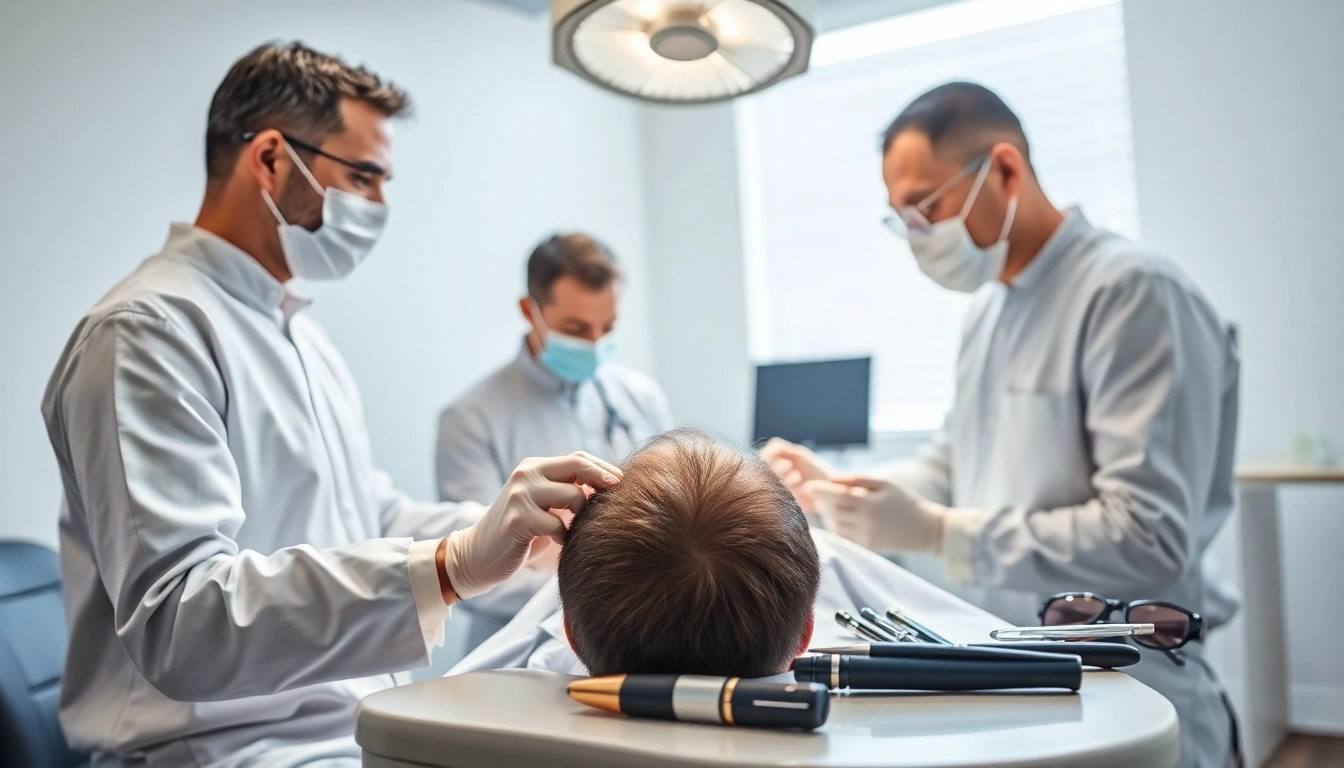
Introduction to Hair Transplant
As a growing number of individuals seek effective solutions for hair loss, the hair transplant procedure has gained significant attention. This surgical technique aims to relocate hair follicles from denser areas of the scalp to regions experiencing hair thinning or baldness. Not only does this procedure offer a permanent solution, but it can significantly enhance confidence and quality of life for many. This comprehensive guide will delve into all facets of hair transplantation, from its historical background to post-operative care and maintenance.
What is Hair Transplant?
Hair transplant refers to a surgical method that involves moving hair follicles from one part of the body, generally the back or sides of the scalp, also known as the "donor site," to areas suffering from hair loss or thinning, dubbed the "recipient site." The primary goal of this procedure is to restore hair in a natural-looking manner, effectively addressing conditions such as androgenetic alopecia, also known as male or female pattern baldness.
Historical Overview of Hair Transplant Techniques
Originating in Japan in the 1930s, hair transplantation has evolved significantly over the decades. The initial techniques mainly focused on grafts, where large plugs of hair were transplanted, often yielding unsatisfactory aesthetic results. As medical understanding and technological advancements progressed, more refined methods were introduced. The advent of follicular unit extraction (FUE) and follicular unit transplantation (FUT) in the late 20th century represented a pivotal shift, allowing for more natural hairlines and increased density.
Common Conditions Leading to Hair Transplant
Several factors contribute to hair loss, including genetic predisposition, hormonal changes, medical conditions, and physical or emotional stress. The most common condition necessitating a hair transplant is androgenetic alopecia, affecting both men and women. Other reasons may include scarring from injuries or surgeries, alopecia areata, or hair loss caused by other medical disorders. Understanding the underlying cause of hair loss is crucial in deciding whether a hair transplant is the most suitable solution.
Types of Hair Transplant Procedures
Follicular Unit Extraction (FUE)
The Follicular Unit Extraction (FUE) method involves harvesting individual hair follicles from the donor site using specialized tools. This minimally invasive technique leaves tiny dot-like scars, which typically heal within a few days, resulting in less post-operative discomfort. FUE is particularly favored for its ability to create natural-looking hairlines and allow for the extraction of body hair in the absence of sufficient scalp hair.
Follicular Unit Transplantation (FUT)
In contrast, the Follicular Unit Transplantation (FUT) procedure entails removing a strip of scalp from the donor site, from which individual follicular units are then isolated. This technique often results in a linear scar and can offer a higher number of grafts in a single session, making it suitable for patients requiring extensive coverage. Though the healing period may be longer than FUE, many practitioners advocate for FUT's efficiency in larger transplant cases.
Comparison of Techniques
When choosing between FUE and FUT, patients should consider various factors, including their hair loss patterns, desired density, and lifestyle preferences. While FUE is less invasive and carries fewer long-term visible scarring, FUT may provide more grafts in a single session. Consulting with a qualified hair restoration expert can provide personalized insights based on individual needs.
Preparing for a Hair Transplant
Initial Consultation Expectations
The journey to a successful hair transplant begins with an initial consultation. During this session, the surgeon will evaluate the patient’s hair loss patterns, family history, and overall health. Potential candidates should prepare to discuss their goals and expectations while undergoing a comprehensive scalp examination, which may include hair density measurements and an assessment of donor site viability. This dialogue is vital for setting realistic expectations and determining the best surgical approach.
Important Pre-Operative Steps
Prior to the procedure, patients are advised to follow specific guidelines to optimize outcomes. This may include avoiding blood thinners, certain supplements like vitamin E, and alcohol, as these can affect blood coagulation and healing. Maintaining a healthy lifestyle and staying hydrated can promote better recovery. It’s also wise to arrange for transportation on the day of the surgery, as post-operative care will likely necessitate reduced activity.
Cost Considerations for Hair Transplant
The cost associated with hair transplantation can vary considerably based on location, the technique employed, and the extent of hair loss. Typically, per-graft pricing may apply, with total costs ranging from a few thousand to tens of thousands of dollars. It's essential to consider not only the monetary investment but also the potential long-term benefits of restored confidence and improved appearance. Many clinics offer financing options or payment plans to make the procedure more accessible.
Post-Transplant Care
Immediate Aftercare Instructions
After a hair transplant procedure, patients will receive detailed aftercare instructions to ensure optimal healing and growth. Common guidelines include minimizing physical activity, avoiding direct sunlight, and refraining from scratching or touching the transplanted area. Patients may also need to wear a protective bandage for a short period after the procedure. Adhering to these instructions is crucial for preventing complications and achieving the best results.
Long-term Care for Optimal Results
Long-term care involves incorporating a gentle hair care routine and potentially using topical treatments recommended by the surgeon. Patients are encouraged to return to their practitioner for follow-up appointments to monitor progress and address any concerns. Consistent communication and partnership with a healthcare provider lead to the best outcomes, ensuring that the transplanted hair is cared for effectively.
Identifying and Managing Side Effects
While hair transplant procedures are generally safe, patients should be aware of potential side effects such as swelling, redness, or tenderness at the donor and recipient sites. Infection, though rare, is a serious concern and requires immediate medical attention. If complications arise, timely contact with the surgeon is critical to address any issues and mitigate risks effectively.
Frequently Asked Questions
How painful is a hair transplant?
The procedure usually doesn't hurt as anesthesia numbs the scalp. Some may feel slight discomfort or pressure. Post-op pain can often be managed with over-the-counter pain medications.
Is hair transplant 100% successful?
While many patients experience over 90% success, results vary based on individual factors such as age and hair quality. It's usually an effective permanent solution.
How long does recovery take?
Initial healing takes about 7-10 days, but visible results may take several months as new hair grows. It's essential to follow post-care instructions for optimal recovery.
Can women undergo hair transplants?
Yes, women can have hair transplants. The procedure is effective for female-pattern hair loss and suitable for various demographics seeking restoration.
What are the costs associated with hair transplant?
Costs vary significantly based on the clinic and technique used. Factors include the number of grafts needed, clinic reputation, and location. Some procedures may start at several thousand dollars.