
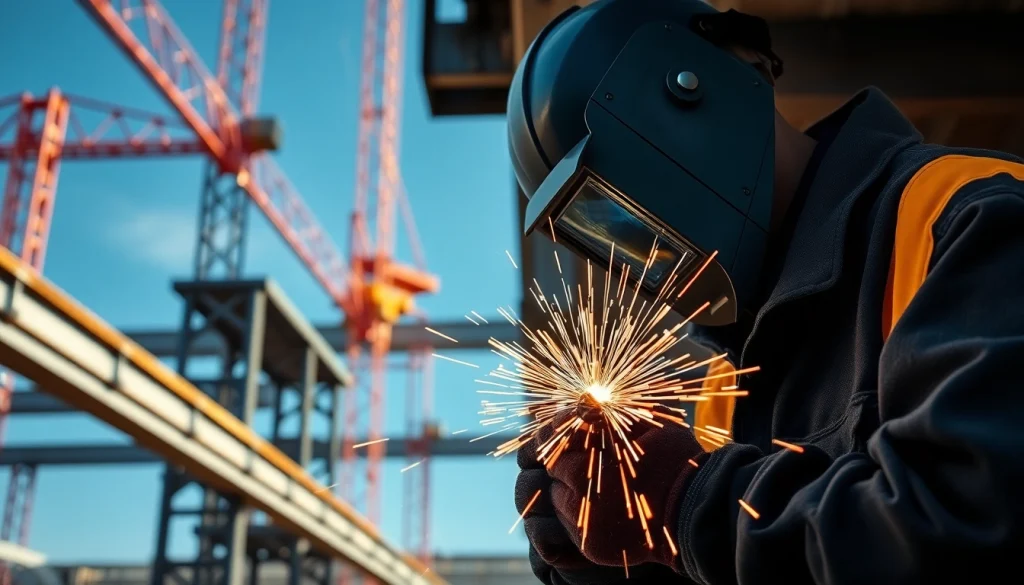
Introduction to Structural Steel Welding
Structural steel welding is an essential technique in the construction and manufacturing industries, enabling the joining of metal parts to create durable structures. Its significance goes beyond aesthetics, as it contributes to the structural integrity and longevity of buildings, bridges, and other infrastructures. Understanding the intricacies of structural steel welding is crucial for professionals involved in design, fabrication, and construction.
What is Structural Steel Welding?
Structural steel welding is a welding process specifically aimed at joining structural components made of steel. This can include beams, columns, and girders that form the skeleton of residential and commercial buildings. The primary goal is to create reliable welds that can withstand various forces and stresses, ensuring the overall safety and functionality of structures. There are various welding techniques utilized in this field, each designed to suit different applications and requirements.
Importance of Structural Steel Welding in Construction
The importance of structural steel welding lies in its ability to enhance the strength and stability of structures. Well-executed welds provide the necessary load-bearing capacity needed for buildings and bridges, especially in seismic-prone areas. This role is critical, as structural failures can lead to catastrophic consequences. Furthermore, the use of welded steel components can often reduce the need for additional materials and thus decrease overall construction costs.
Common Applications of Structural Steel Welding
Structural steel welding finds its applications across various sectors. Some common applications include:
- Construction of Buildings: Steel structures are widely used in commercial buildings, residential complexes, and skyscrapers due to their strength and versatility.
- Bridges: Bridges require robust connections to manage heavy loads and dynamic forces, making welding a preferred option.
- Industrial Structures: Factories and warehouses often utilize welded steel frameworks to support heavy machinery and storage systems.
- Infrastructure Projects: Roads, rail systems, and other infrastructure rely on structural welding to ensure safety and durability.
Techniques of Structural Steel Welding
The choice of welding technique can significantly influence the quality and strength of the welds in structural applications. Here are some prominent welding methods used in structural steel welding.
Manual Arc Welding: Pros and Cons
Manual arc welding, also known as shielded metal arc welding (SMAW), involves the use of a consumable electrode coated in flux. This technique is known for its versatility and portability but has its benefits and drawbacks:
- Pros:
- Highly adaptable for various positions and environments.
- Relatively low equipment cost, making it accessible.
- Produces strong, high-quality welds suitable for structural applications.
- Cons:
- Slower than other welding methods, which can affect project timelines.
- Requires skilled operators to achieve optimal results.
- Can produce more smoke and spatter, leading to a challenging work environment.
MIG Welding and Its Benefits
MIG (Metal Inert Gas) welding is a type of gas metal arc welding (GMAW) that utilizes a continuous wire feed as an electrode and an inert gas to shield the weld from contamination. Its benefits include:
- Speed: MIG welding allows for rapid and efficient work, ideal for high-production environments.
- Cleanliness: The shielding gas helps produce cleaner welds with less spatter.
- Diverse Material Use: Effective across various materials, including aluminum and stainless steel.
TIG Welding in Structural Applications
TIG (Tungsten Inert Gas) welding involves the use of a non-consumable tungsten electrode and is known for its precision. While it is more time-consuming than other methods, it has specific advantages:
- High-Quality Welds: Produces welds with exceptional control, leading to strong and aesthetically pleasing joints.
- Versatility: Can weld a variety of metals and thicknesses, making it suitable for complex applications.
- Less Contamination: The inert gas shielding minimizes the risk of contamination, ensuring superior weld integrity.
Safety Measures for Structural Steel Welding
Safety is paramount in construction and welding environments. Proper safety measures protect welders from hazards that may arise during the welding process. Adequate training and implementation of safety protocols can significantly reduce risks.
Personal Protective Equipment (PPE)
Personal Protective Equipment is crucial for protecting welders from burns, injuries, and exposure to harmful fumes. Essential PPE includes:
- Welding Helmet: Protects the eyes and face from sparks and harmful radiation.
- Gloves: Insulated gloves provide protection from heat and electric shock.
- Protective Clothing: Flame-resistant clothing safeguards the skin from burns and spatter.
- Respirators: Help protect against inhalation of hazardous fumes.
Safe Work Practices for Welders
Practicing safety protocols during welding can prevent accidents. Key practices include:
- Ensuring proper ventilation in the work area to minimize fume exposure.
- Keeping a clean workspace to avoid slips and trips.
- Conducting regular safety training and drills to instill a safety-conscious culture.
Common Hazards in Structural Steel Welding
Being aware of potential hazards in structural steel welding is essential for mitigating risks. Common hazards include:
- Burns: Caused by hot workpieces, slag, or molten metal.
- Fume Exposure: Welding generates harmful fumes that can affect respiratory health.
- Electrical Hazards: Improper handling of electrical equipment can lead to shocks or fires.
Quality Standards in Structural Steel Welding
Ensuring high-quality welds is crucial for structural integrity. Adhering to established quality standards is necessary for industry compliance and safe structures.
Industry Regulations and Compliance
Numerous regulatory bodies uphold strict standards for welding practices. Compliance with these regulations ensures quality and safety in construction projects. Notably, organizations such as the American Welding Society (AWS) set forth guidelines that govern welding operations, ensuring national compliance.
Testing and Inspection Methods
Regular testing and inspection of welds are vital in maintaining structural integrity. Common methods include:
- Visual Inspection: Inspectors examine welds visually to identify any obvious defects.
- Dye Penetrant Testing: A non-destructive testing method used to detect surface-breaking defects.
- X-ray Inspection: Utilized to assess the internal structure of welds and identify hidden flaws.
Maintaining High-Quality Welds
To maintain high-quality welds, it is essential to implement best practices such as:
- Using the right welding parameters (heat, speed, and angle) for the specific welding technique.
- Ensuring cleanliness of materials before welding to avoid contamination.
- Investing in skilled labor to enhance the overall weld quality.
Career Opportunities in Structural Steel Welding
The field of structural steel welding offers a plethora of career opportunities, making it an attractive choice for individuals looking at a rewarding career path. As construction and infrastructure projects continue to expand, skilled welders are in high demand.
Skills Required to Become a Structural Welder
To excel as a structural welder, individuals should possess a combination of technical skills and soft skills, including:
- Technical Proficiency: Knowledge of various welding techniques and materials.
- Blueprint Reading: Ability to interpret technical drawings and specifications.
- Attention to Detail: Ensuring precision in welds to meet quality standards.
- Problem-Solving Skills: Addressing issues that may arise during the welding process.
Job Outlook and Employment Opportunities
The job outlook for structural welders is promising, with a growing need for skilled professionals in various sectors. Welding offers opportunities in:
- Construction companies focusing on residential and commercial projects.
- Manufacturing plants requiring assembly and fabrication work.
- Infrastructure and maintenance roles within municipalities and state departments.
Professional Certifications in Structural Steel Welding
Acquiring certifications can enhance a welder’s career prospects significantly. Common certifications include those from the American Welding Society (AWS), which validate skills and expertise. These certifications can open doors for better job opportunities and higher earning potential.
FAQs About Structural Steel Welding
What types of welding are used for structural steel?
Common types include manual arc welding, MIG welding, and TIG welding. Each method has unique advantages and applications in the structural steel industry.
What does a structural steel welder do?
A structural steel welder assembles and installs steel components, ensuring structural integrity through precise welding techniques. They work on various projects, including buildings and bridges.
Is structural welding a good career choice?
Yes, structural welding offers strong job security, competitive salaries, and opportunities for advancement within the construction and manufacturing industries.
Which welding technique is better for structural steel?
Choosing the best technique depends on project requirements. MIG welding is ideal for speed, while TIG welding is preferred for precision and quality in complex applications.
What is the average salary for structural welders?
Structural welders can expect varying salaries based on experience, location, and industry. On average, salaries can range from $40,000 to $70,000 per year.