Understanding Structural Steel Installation
What is Structural Steel Installation?
Structural steel installation is a critical process in construction, involving the assembly and erection of steel components to create frameworks for buildings, bridges, and other structures. This type of installation requires skilled labor and meticulous planning to ensure that the steel framework is safe, durable, and compliant with building codes. Various components such as beams, columns, and trusses are typically involved in the process, each contributing to the overall stability and strength of the structure.
Importance of Structural Steel in Construction
The significance of structural steel in modern construction cannot be overstated. Steel’s strength-to-weight ratio makes it an ideal material for high-rise buildings and large spans. It allows architects and engineers to design innovative structures that would be impossible with traditional materials such as wood or concrete alone. Furthermore, structural steel provides flexibility in design, can be prefabricated, and often leads to reduced construction time. This enhances productivity and cost efficiency in the long term, making structural steel installation a preferred choice in commercial and industrial projects.
Key Components of Steel Structures
Understanding the various components of steel structures is essential for ensuring a successful installation. Key components include:
- Beams: Horizontal members designed to support vertical loads, beams distribute weight throughout the structure.
- Columns: Vertical elements that transfer loads from the beams to the foundation.
- Trusses: Frameworks of triangular units used to support roofs and large spans.
- Purlins: Horizontal members used to support roof sheeting.
- Bracing: Diagonal supports that provide stability, preventing lateral movement.
Steps Involved in Structural Steel Installation
Pre-Installation Preparations
Before installation begins, extensive preparations are necessary. This may include:
- Site Assessment: A thorough evaluation of the construction site to determine the best approach for installation and identify any potential challenges.
- Engineering Review: Engineers will review design plans to ensure that all components can withstand their intended loads.
- Material Delivery: Ensuring that all steel components are delivered to the site in good condition and are ready for assembly.
- Safety Planning: Developing a detailed safety plan to protect workers during installation.
Setting Up Foundations and Frameworks
Establishing a solid foundation is crucial for a successful installation. Key steps include:
- Foundation Laying: Concrete foundations are poured to support the steel columns. This must be precise to accommodate the load distribution of the structure.
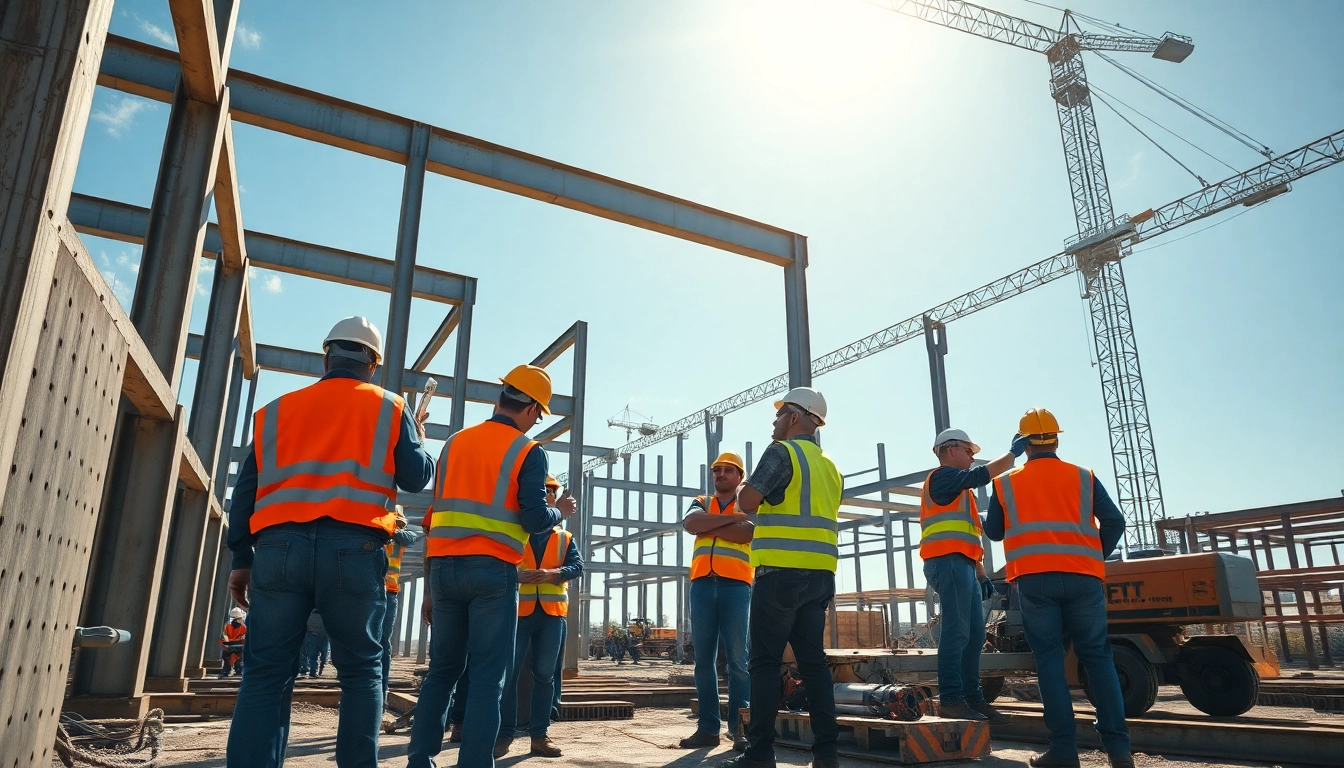
- Framework Assembly: The initial framework is erected using cranes to lift columns and beams into place, ensuring that they are aligned correctly.
- Connection of Beams and Columns: Steel components are connected using bolts or welds, securing the structure and enhancing its integrity.
Quality Control during Installation
Quality control is vital throughout the installation process to ensure the structure is safe and compliant. This can involve:
- Inspections: Regular inspections by qualified personnel to check for correct alignment, secure connections, and overall structural integrity.
- Testing: Non-destructive testing methods may be employed to identify defects in welds or structural integrity.
Best Practices for Safe Structural Steel Installation
Safety Protocols and Regulations
Safety is paramount in structural steel installation. Adhering to established safety protocols and regulations is essential to minimize risks on site. Key practices include:
- Personal Protective Equipment (PPE): Ensuring that all workers have appropriate PPE, including hard hats, safety glasses, and steel-toed boots.
- Fall Protection Systems: Installing guardrails and safety nets to prevent falls from heights.
- Safety Training: Conducting training sessions for all employees to familiarize them with safety measures specific to steel installation.
Common Installation Errors to Avoid
Installation errors can lead to significant safety issues and costly delays. It’s critical to avoid common pitfalls, including:
- Improper Alignment: Ensuring that all components are aligned correctly to prevent structural weaknesses.
- Ignoring Specifications: Following design specifications closely rather than making assumptions about installation procedures.
- Neglecting Quality Checks: Skipping quality checks can lead to unnoticed flaws that could compromise the structure’s integrity.
Maintenance of Installation Equipment
Proper maintenance of tools and equipment is vital for a safe and efficient installation process. Regular checks should be conducted on:
- Cranes: Regular inspections of lifting equipment to ensure they are in good working order.
- Tools: Ensuring that hand tools and power equipment are regularly checked and replaced as necessary.
Tools and Equipment for Structural Steel Installation
Essential Tools for Erecting Steel Structures
Having the right tools is crucial for effective steel installation. Essential tools include:
- Cranes: Heavy-lifting equipment necessary for placing large steel components safely.
- Welding Equipment: Tools for welding connections between steel members.
- Rigging Gear: Equipment like slings, chains, and straps used in conjunction with cranes for lifting steel components.
Innovative Technologies in Steel Installation
Advancements in technology have revolutionized the structural steel installation process. Innovations such as:
- BIM (Building Information Modeling): Allows for detailed planning and visualization of structures before installation.
- Robotics: Emerging use of robotic systems for precise welding and placement of steel components.
Choosing the Right Equipment for your Project
Selecting the appropriate equipment depends on various factors, including project size, steel type, and site conditions. Considerations should include:
- Capacity: Ensure that the equipment can handle the weight and size of the steel components used.
- Site Accessibility: Assess whether the equipment can safely operate in the available space.
- Technological Compatibility: Match equipment with innovative technologies to maximize efficiency.
Performance Metrics in Structural Steel Installation
Measuring Success in Steel Installation Projects
Evaluating the performance of a structural steel installation project involves several key metrics such as quality, speed, and safety outcomes. Metrics may include:
- Installation Time: Tracking the total time taken for the installation phase against the projected schedule.
- Cost Variance: Comparing actual costs against budgeted figures to ascertain financial performance.
- Safety Incidents: Monitoring any accidents or near misses to improve safety measures in future projects.
Post-Installation Inspection Techniques
After installation, thorough inspections are necessary to ensure structural integrity. Common techniques include:
- Visual Inspections: Systematic reviews of welds, connections, and overall construction for obvious defects.
- Non-Destructive Testing (NDT): Implementing methods such as ultrasonic testing to evaluate the integrity of materials without damage.
Evaluating Cost Efficiency and Timeliness
Finally, evaluating the efficiency of a structural steel installation project involves analyzing timelines and costs. Key strategies include:
- Benchmarking Against Similar Projects: Comparing performance metrics with past projects to identify areas for improvement.
- Post-Project Reviews: Conducting thorough evaluations to understand what strategies were effective or where adjustments are needed for future projects.