
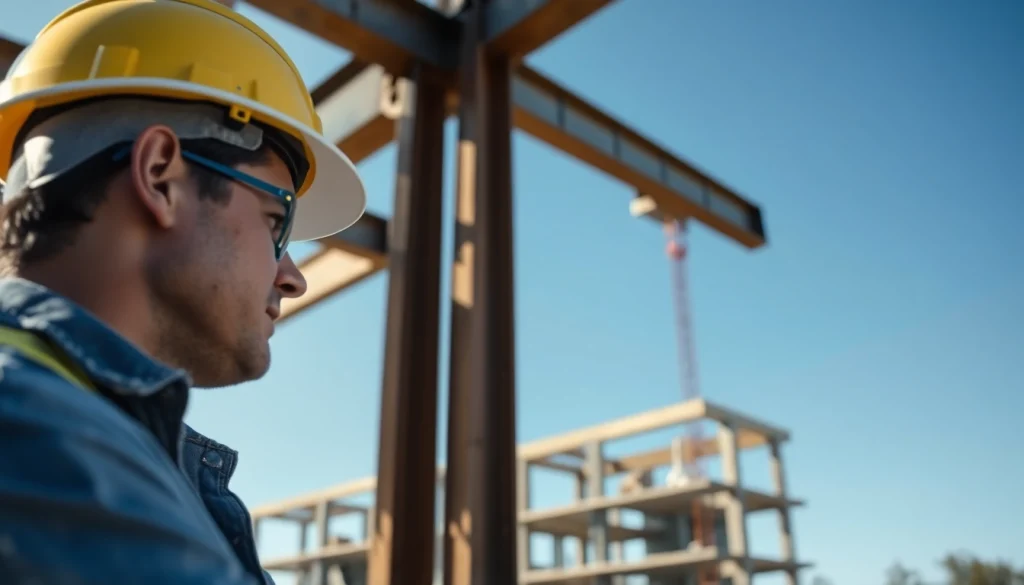
Understanding Structural Steel Installation
Structural steel is a critical component of modern construction, serving as the backbone of many buildings and infrastructure projects. From high-rise buildings to bridges and industrial structures, understanding the nuances of structural steel installation is essential for successful project execution. This article will explore the intricacies of structural steel, the planning and design required for installation, effective techniques, challenges faced, and how to measure success in steel projects.
What is Structural Steel?
Structural steel refers to steel construction materials shaped into specific cross-sections, which are used to support loads and make up the skeletal framework of buildings. Unlike other forms of steel, structural steel is defined by its mechanical properties and includes elements such as beams, columns, angles, and channels. It is engineered to bear high tensile and compressive strength, providing stability and durability to structures.
Importance of Quality in Steel Import
The quality of structural steel is paramount, especially for projects that require rigorous safety standards. Steel is often imported from various countries, and ensuring that the material meets the relevant international standards is crucial. Key factors include:
- Standards Compliance: Compliance with standards such as ASTM, EN, or ISO ensures that the steel performs as expected under specified conditions.
- Test Certifications: Proven test data on yield strength, tensile strength, and ductility should accompany steel shipments to assure quality.
- Supplier Reliability: Establishing relationships with reputable suppliers can lead to better quality assurance through consistent material checks.
Common Applications of Structural Steel
Structural steel finds its applications across various sectors:
- Commercial Buildings: Used for frames of skyscrapers and office buildings, allowing for open floor plans.
- Industrial Facilities: Essential in factories and warehouses for robust infrastructural support.
- Bridges: Constructed for long spans and heavy loads, structural steel adds longevity and resilience.
- Residential Construction: Increasingly utilized in custom homes for architectural features, strength, and lightweight construction.
Planning and Design for Steel Installation
Effective planning and design are crucial before embarking on any structural steel installation project. A structured approach not only ensures smooth execution but also helps mitigate risks associated with installation.
Key Factors in Structural Design
The design phase of structural steel projects involves multiple considerations:
- Load Analysis: Engineers must analyze the loads that the structure will experience, including dead loads, live loads, wind loads, and seismic loads.
- Material Selection: Choosing the right type of steel (e.g., carbon steel, stainless steel) based on its properties and the project’s requirements.
- Fabrication Details: Designing connection details such as welding and bolting ensures structural integrity and ease of assembly.
Preparing the Site for Installation
Proper site preparation is essential for the successful installation of structural steel. It involves:
- Site Surveying: Conducting surveys to establish boundaries and existing conditions that may impact the installation.
- Ground Preparation: Ensuring the foundation is correctly constructed, level, and capable of supporting the structural loads.
- Logistics Planning: Developing an efficient plan for delivering and staging steel materials on-site.
Creating an Effective Project Timeline
A comprehensive project timeline dictates the flow of operations from planning through installation. Important aspects include:
- Task Sequencing: Identifying dependencies among tasks helps in allocating resources effectively.
- Milestones: Establishing key milestones allows for tracking progress and making adjustments as necessary.
- Buffer Times: Including buffer periods in the timeline accounts for unforeseen delays, enabling a more realistic schedule.
Techniques for Efficient Steel Installation
Efficiency in installation is key to minimizing costs and maximizing productivity. The following techniques achieve effective and timely structural steel installation.
Choosing the Right Tools and Equipment
Understanding the tools and equipment necessary for structural steel installation can greatly enhance efficiency. Key equipment includes:
- Cranes: Essential for lifting and placing heavy steel components safely and accurately.
- Welding Machines: Quality welding equipment ensures strong connections that meet safety standards.
- Protective Gear: Providing adequate protective equipment for workers to ensure safety during installation.
Sustainable Practices in Steel Installation
Incorporating sustainable practices can minimize the environmental impact of construction projects:
- Recyclable Materials: Utilizing steel that is 100% recyclable helps reduce the demand for raw materials.
- Energy Efficiency: Implementing energy-efficient construction methods can reduce carbon footprints during installation.
- Waste Management: Proper disposal and recycling of scrap materials promote sustainability.
Training and Safety Protocols
Safety is non-negotiable in the steel installation process. Effective training and safety protocols include:
- Worker Training: Regular training sessions to ensure that all workers understand equipment usage, safety procedures, and emergency protocols.
- Safety Audits: Conducting periodic audits to assess site safety and compliance with regulations.
- Reporting Systems: Establishing systems for reporting safety concerns or incidents to enhance overall site safety.
Challenges in Structural Steel Installation
No installation project is without its challenges. Being able to identify and address these issues quickly is crucial for maintaining project momentum.
Addressing Common Issues
Several challenges can arise during structural steel installation:
- Weather Delays: Adverse weather conditions can halt construction; adjusting schedules is necessary to account for this.
- Supply Chain Issues: Delays in materials delivery can disrupt timelines; establishing reliable supply chain partners can mitigate this risk.
- Labor Shortages: A lack of skilled labor may impact installation times; proactive recruitment and training can address this concern.
Effective Problem-Solving Strategies
Having problem-solving strategies in place can help teams address challenges swiftly:
- Collaboration: Encouraging open communication between project managers, engineers, and construction crews helps in identifying solutions.
- Flexibility: Being adaptable to changing circumstances can lead to more innovative responses to challenges.
- Documentation: Keeping detailed records of issues and solutions can help future projects mitigate similar challenges.
Managing Project Delays and Budget Overruns
Project delays and budget overruns can be detrimental to the success of a structural steel installation. Tactics to manage these risks include:
- Regular Progress Reviews: Conducting regular assessments of project timelines and budget can help identify issues early.
- Resource Allocation: Effective allocation of resources, including labor and materials, can help keep projects on track.
- Stakeholder Communication: Keeping all stakeholders informed fosters understanding and allows for collective problem-solving.
Measuring Success in Steel Projects
Success in structural steel installation can be quantified through various performance metrics and strategies:
Performance Metrics for Steel Installation
Some critical metrics to consider when measuring success include:
- On-Time Completion Rates: Tracking whether projects are completed on schedule provides an indicator of efficiency.
- Budget Adherence: Observing expenditures against the initial budget is essential for assessing financial success.
- Quality Control Results: Regular quality inspections during installation can influence the long-term viability of the structure.
Case Studies of Successful Installations
Learn from past projects that exemplify best practices in structural steel installation. For example:
- The Burj Khalifa: The world’s tallest building utilizes advanced steel construction techniques to achieve its height.
- The Millau Viaduct: This French bridge faced unique installation challenges that were overcome through innovative engineering and project management.
Feedback and Continuous Improvement
Continuous improvement is vital for ongoing success in structural steel projects. Establishing feedback loops where teams can assess and learn from each project enhances future performance. Key areas for feedback include:
- Post-Project Reviews: Conducting reviews after project completion helps identify successes and areas for improvement.
- Stakeholder Surveys: Gathering input from stakeholders helps capture a broad range of perspectives on project execution.
- Industry Trends: Staying informed about new technologies and methodologies improves future project outcomes.
In conclusion, mastering structural steel installation requires an understanding of a broad spectrum of factors including material quality, planning and design, effective techniques, challenge management, and the ability to measure success. By following best practices and continuously seeking improvements, teams can ensure safe and efficient installation processes that result in durable and reliable structures.