
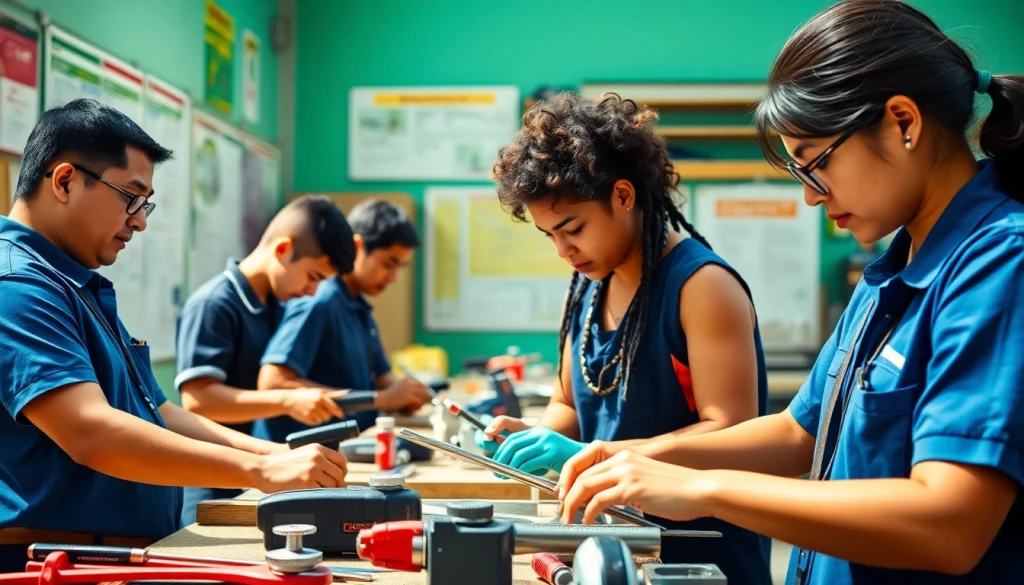
An Overview of Hawaii Trade Schools
In recent years, the demand for skilled professionals in various trades has surged, making trade schools a valuable educational option. Hawaii trade schools offer specialized training that equips students with practical skills needed in specific job markets. With diverse programs available, these schools cater not just to traditional trades but also to emerging fields, facilitating career advancement and fulfilling the workforce demands of Hawaii’s unique economy.
What Are Trade Schools?
Trade schools, also known as vocational or technical schools, provide students with practical and hands-on training for specific careers. Unlike traditional four-year colleges, trade schools focus on skill development in a particular field, allowing students to enter the workforce more quickly. Programs typically last anywhere from a few months to two years and include both classroom instruction and practical experience.
Benefits of Attending Hawaii Trade Schools
Attending a trade school in Hawaii presents numerous benefits:
- Career-Focused Education: Programs are designed with direct employment goals in mind, ensuring alignment with job market needs.
- Shorter Duration: Most trade programs can be completed in less time than a traditional degree, enabling quicker entry into the job market.
- Hands-On Training: The courses provide practical experience, making students job-ready upon graduation.
- Lower Costs: Tuition costs are generally lower than those of four-year colleges, reducing student debt burdens.
- Job Placement Assistance: Many trade schools offer job placement services, increasing the likelihood of employment after graduation.
Types of Programs Offered
Hawaii trade schools provide a wide range of programs across various fields, including:
- Construction and Building Trades: Programs for electricians, carpenters, plumbers, and HVAC technicians.
- Health Sciences: Training for nursing assistants, dental hygienists, and medical technicians.
- Culinary Arts: Cooking and hospitality programs for aspiring chefs and restaurant managers.
- Automotive Technology: Courses focused on auto repair, maintenance, and specialized technician roles.
- Information Technology: Programs teach essential skills in computer networking, cybersecurity, and software development.
Choosing the Right Hawaii Trade School
Accreditation and Reputation
When selecting a trade school, it’s essential to consider its accreditation status. Accredited schools meet specific educational standards and provide quality training recognized by employers. Additionally, researching the school’s reputation through reviews, testimonials, and job placement rates can provide insight into the experiences of former students.
Factors to Consider in Your Decision
Several factors can influence your choice of a trade school, including:
- Location: Proximity to home can reduce commuting costs and time.
- Program Availability: Ensure the school offers the specific program you’re interested in.
- Class Size and Student-to-Teacher Ratio: Smaller classes often mean more personalized attention from instructors.
- Job Placement Services: Look for schools that actively connect students with potential employers.
Online vs. In-Person Learning
With advancements in technology, many trade schools now offer online programs, allowing for greater flexibility. Online learning can be advantageous for those balancing work, family, or other responsibilities. However, certain fields may require hands-on training that is best received in person. Consider your learning style and career goals when deciding between online and traditional classroom settings.
Financial Considerations for Hawaii Trade Schools
Tuition Costs and Financial Aid
The cost of attending a trade school varies widely based on the program and school. Understanding tuition costs and available financial aid is crucial. Many schools provide resources and guidance for applying for federal aid, scholarships, and payment plans, making education more accessible.
Scholarships and Grants Available
Numerous scholarships and grants specifically target students attending trade schools in Hawaii. Organizations and foundations may offer financial assistance based on merit, need, or field of study. Applying for these can significantly alleviate the costs associated with your education and provide opportunities for those who may struggle to meet tuition expenses.
Planning for Future Employment ROI
Investing in education is significant, and it’s essential to consider the potential return on investment (ROI). Researching average salaries in your intended field and estimating job placement rates can help gauge the value of the program. A higher job placement rate and a favorable salary can make attending a trade school a financially sound decision.
Career Opportunities After Attending Hawaii Trade Schools
High Demand Trade Careers
The Hawaiian economy is diverse, creating numerous opportunities for skilled trade workers. Fields such as healthcare, construction, and technology continue to grow, with high demand for qualified professionals. Trade school graduates often experience high job placement rates due to the skills and training they receive, preparing them for various roles like electricians, nurses, and information technology specialists.
Connecting with Employers in Hawaii
Many trade schools in Hawaii have established partnerships with local businesses and employers, facilitating career fairs, internships, and job placements. Engaging with these employers can provide valuable networking opportunities that may lead to employment after graduation. Being proactive in utilizing these resources can markedly enhance your job search.
Alumni Success Stories
Hearing success stories from alumni can provide motivation and insights into what is achievable after completing a program. Many former students have gone on to achieve notable successes in their respective trades, showcasing the effectiveness of the education received. Schools often highlight these stories to encourage new prospective students, demonstrating the long-term benefits of their training and education.
Frequently Asked Questions About Hawaii Trade Schools
What types of trades can I learn at a Hawaii trade school?
At a Hawaii trade school, you can learn various skills including construction trades, health sciences, culinary arts, automotive technology, and information technology, among others.
How do I apply for financial aid for trade school?
To apply for financial aid, fill out the FAFSA form online to determine eligibility for federal aid, scholarships, and state grants that support trade school attendance.
Are there online options for Hawaii trade schools?
Yes, many Hawaii trade schools now offer online programs, providing flexibility for students to learn at their own pace while still receiving quality instruction in their field.
How long do programs typically take to complete?
Most trade programs take anywhere from a few months to two years to complete, depending on the field and the specific curriculum offered by the school.
What is the job placement rate for Hawaii trade schools?
Job placement rates can vary by school and program, but many trade schools have placements rates exceeding 80%, reflecting strong connections to local employers.